Wednesday, May 13, 2015

Teen Dating: What They Need To Know

Summer is around the corner.  With summer could be summer romance for your teenagers.

One day, your little one is skipping down the sidewalk with her hair in pigtails and a firm grip on a teddy bear. The next, it seems like, she’s bouncing down the stairs on her way to greet her first date. Watching kids grow and mature, especially during the teenage years, can be a bittersweet experience. It can also be the harbinger of the most difficult period of your parenting career. Preparing your child for the world of adult interactions, romantic entanglements and independence isn’t always easy, especially when you’d much rather they stayed small forever. Just as you can’t keep a child from growing into an adult, neither can you stem the tide of romantic attraction and the desire to date. All you can do is hope that you’ve instilled the values that you set out to, and that you’ve adequately prepared your teenager for the complicated and sometimes painful world of dating.

The Friendship Code
There are certain rules that come along with both dating and mature friendships, and they largely go unspoken until one of them is broken. One of the most pervasive and important rules for your teen to know before he starts dating is that the “friendship code” shouldn’t be broken. This code entails everything from dating a friend’s ex to trying to date a friend’s current girlfriend, and everything in between. While you’re trying to instill an inherent respect for the opposite gender, be sure that you also discuss the ways that dating and friendship can become messy, and how certain decisions can have far-reaching implications when it comes to both friendships and romantic relationships.

The Warning Signs of an Abusive Relationship
No parent wants to think about their child being the victim of dating violence, but the sobering statistics show that this is one conversation that parents simply must have with their teens before dating becomes an issue. A study published by the Robert Wood Johnson Foundations shows that as many as one in three seventh grade students have experienced “psychological dating violence,” and that up to one in six have been the victim of physical dating violence. A different study, headed up by the Liz Claiborne corporation, also shows that less than 25% of teenagers have discussed the subject with their parents. Both teen boys and teen girls need to know that dating violence or emotional abuse is never acceptable and should be aware of the warning signs of an abusive relationship. Once a pattern of accepting abuse is established, it can be a difficult and painful cycle to break. Make sure that your teen starts off on the right foot by ensuring that he’s educated and aware of the issues surrounding teen dating violence and abuse.

The Importance of Boundaries and Respect
Parenting comes with its fair share of awkward conversations and embarrassing situations, but it’s far better to weather that momentary discomfort to educate your teen about boundaries and the importance of respecting them than to send them off into the world of dating with no clear understanding of them. Teens need to know that “no” means no, and that pressuring their significant other into anything they’d rather not do is completely unacceptable behavior. They need to know that anyone who subjects them to such pressure is not a good friend or someone that truly cares about their feelings, and that there’s nothing wrong with breaking off a relationship if their boundaries aren’t being respected.

Popularity is Not a Sound Reason for Dating
At no other time in life is the prospect of popularity or gaining entrance into the “cool crowd” more valued or desperately sought than during the teenage years. Teens may date someone that they have little in common with or little regard for simply to maintain or achieve a position of power in their social circle. Conversely, teens often choose not to date people that they are compatible with and attracted to due to a perceived social stigma attached to dating outside of their circle. Before dating even becomes an issue in your child’s life, be sure that she knows just how irrelevant popularity will be to her in five years, and how much she could potentially miss out on if she’s dating someone solely because they’re popular and capable of affecting her social standing.

Your Expectations and Their Responsibilities
While you may think that your expectations and your teen’s dating responsibilities go without saying, it’s important to realize that your teen only knows what you tell him. Don’t assume that your teenager knows what you expect of him as he starts dating, or what his responsibilities are to both you and his significant other. Communicate the rules and what you expect clearly and concisely, so that there’s no confusion or pleas of ignorance later.

Source:  Babysitting.net

Thursday, April 16, 2015

Online Safety Measures: Tweens and Online Gaming

Summer is approaching  --- it can mean more time spent in cyberspace especially playing online game for tweens.  Here is a guest post a with 5 safety tips for your pre-teens.
When you look in your living room, are your pre-teens immersed in a video game on a console, computer, or cellphone? Chances are, the games they’re playing have online connectivity. Gartner reports that a large portion of the $111 billion video game market consists of online games. 38 percent of minors enjoy video gaming as a hobby, according to the Entertainment Software Association, and there’s plenty of benefits to encouraging them to play online enabled games. They provide your pre-teens with entertainment, socialization, computer skill development, and brain stimulating activities. Unfortunately, these socialization elements also open your pre-teens up to certain risks and dangers, such as becoming a victim of hacking or social engineering. Knowing how to protect your pre-teens and developing their own risk- aware skills is an essential part of safe online gaming.
Checking for appropriate content
Online games span many genres, from a hidden object game by iWin to MMORPGs such as World of Warcraft. Pay close attention to the rating and types of content and concepts presented in the game your pre-teens are playing. Consider playing along with your children to see exactly what information your kids are picking up, as well as steering them to age appropriate games if the content is not suitable for them. The Entertainment Software Rating Board handles video game ratings, starting at EC for early childhood and going up to AO for adults only.
Checking for Chat rooms
Many online games have chat rooms or messaging functions to provide social interaction with other gamers. Online games with parental controls allow you to filter out bad language, block private messages, and control whether your child gets chat room capability or not. This is another way of ensuring your pre-teens aren’t exposed to inappropriate content. Some games also allow you to mute specific players if a particular individual is harassing your child.
Time Monitoring
The allure of online gaming makes it easy for your pre-teen to spend many hours playing all of the games at their disposal. Track the amount of time that they play through parental monitoring software. Some games, such as World of Warcraft, allow you to prevent an account from being played past a daily or weekly amount, or restricting the time of day that the child can log in. This helps you keep your kids happy with their favorite activities while not allowing it to take up all of their free time.
Avoiding Hackers
Online gaming portals provide hundreds of games through a single website. Some of these games play directly in the browser, while others are downloaded and installed on your computer. Keep the computer anti-virus running to avoid downloads and browser plugins with viruses and trojans attached. Read through gaming portal reviews to find legitimate sites, or check gaming magazines and blogs for this information. Check for https encryption when your child logs into the site, and handle downloadable game installations yourself to stop companion software, such as toolbars, from getting installed.
Check Game Emails
Some online game services send out emails informing players of new developments, specials, and updates. Phishers take advantage of this by posing as official game representatives and tricking users into providing account information. Monitor the email address your child used to sign up with a service, and screen any emails for phishing attempts.
Contributor: James Stewart

Wednesday, October 15, 2014

Bullying Prevention Month: Cyberbullying Affects Real Lives

It may seem harmless to see your child engaged in the latest social media application. She may be snapping pictures to her friends on Snapchat or posting funny status updates on Facebook to stay in touch with her classmates and friends. However, when social media posts and tweets take a turn for the worse, your child may experience the devastating effects of cyberbullying, ultimately damaging her self confidence, self esteem and mental well being.

Defining Cyberbullying
 
According to Dr. Kate Roberts, Boston-based psychologist and cyberbullying expert, cyberbullying is the use of technology to harass, hurt, embarrass, humiliate or intimidate another person. “Targets are the same students who are bullied in person,” says Roberts. “They are vulnerable, have difficulty reading social cues and they are often alone and socially isolated.”

Unfortunately, cyberbullying is able to occur 24/7 with the help of cell phones, instant messaging, mobile devices and social networking websites. “According to recent studies, almost half of middle and high school students have experienced or witnessed cyberbullying,” says Roberts.

Kids respond differently to abuse from others, says Jennifer Hancock, author of “The Bully Vaccine.”
“Parents need to understand that cyberbullying isn’t happening in isolation,” says Hancock. “It is a part of a larger pattern of harassment, that in the adult world would be considered stalking – and it is as emotionally damaging as stalking – so take it seriously.”

Knowledge is Power

Today’s parents consist of the first generation that has had to contend with this level of cyber harassment, says Roberts. Parents, however, can arm themselves and their children with knowledge when protecting their children against cyber bullies.
  • Have the ‘Cyberbullying’ Conversation: Children don’t like to talk about bullying, but according to Roberts, “the reason for this is they have likely bullied themselves, been bullied or been a bullying bystander and the talk brings up these memories and feelings of shame.” Parents need to have an open conversation and respond without judgment as their children open up about what they know.
  • Explain How What You Don’t Know Does Hurt You: Some kids minimize or justify cyberbullying by saying that the target didn’t even know what was said. Roberts suggests explaining to your kids that it still hurts. “Use their life experiences to illustrate how badly they feel when people talk about them negatively,” she says.
  • Set Cyber Safety Rules: Whenever your children interact online, remind them that they never really know who is on the other end of cyber communication. With that in mind, Roberts recommends enforcing the guideline of “don’t do or say anything online that you wouldn’t do or say in person.”
  • Monitor Online Use: Know what your children are doing online to help them prevent cyberbullying and cope with it. Limit time spent on technology to naturally minimize access to and involvement with cyberbullying, suggests Roberts.
Helping Your Child Cope with Cyberbullying
Your child’s school may be the best advocate for prevention of cyber bullying and, more importantly, enforcement of cyber bullying school policies, especially if your child is a victim. If you fear that your child is a target of cyberbullying, Roberts suggests getting to know the school administrator in charge of overseeing bullying.

“If you discover that your child is being cyber bullied, save the URLs of the location where the bullying occurred and document it by printing the e-mails or web pages,” says Roberts.

Many school districts enforce a “no tolerance” bully policy that now includes cyber bullying. In addition, school officers and law enforcement officials often monitor the social media accounts of middle and high school students to prevent cyber bullying.

The best thing you can do, as a parent, is engage your child over time to develop a strategy with them and make reporting a central part of that strategy, says Jennifer Hancock, author of “The Bully Vaccine.”

“Whatever strategy you develop has to be comprehensive and your child has to take the lead on it with your support and assistance to report any incidents,” says Hancock. “They probably won’t be willing to disconnect entirely, but perhaps you can convince them to ban certain individuals from their Facebook stream so that they don’t see the content anymore.”

Unfortunately, many kids do not tell their parents about cyberbullying because they fear the parent’s first response is to get rid of the child’s access to the Internet. Be more creative, says Hancock. “Help them keep their access to the Internet but eliminate the people harassing them,” she says. “That works to instill trust and helps your child come to you for help in the future.”

Seek help from outside resources, too, such as your child’s peers, friends and neighbors, and ask them to inform you of any cyber bullying that may be occurring and affecting your child. In many cases, children who have been bullied – either online or offline – may benefit from sessions with a family therapist to discuss coping methods.

Wednesday, September 24, 2014

Why Parents Need To Understand Age Restrictions on Social Media

This is a question that has been lingering for the past couple of years.  We know that kids under 13 are joining, but should they be?

The brave new world of technology has expanded so far that even your grandmother may have an account on the social networking clearinghouse that is Facebook. The fact that your elderly relatives have adopted Facebook, however, doesn’t mean that your child is ready to tackle the social media giant.

When your tween is pleading with you for permission to start a Facebook account and swearing that all of their friends have them, these are 10 of the reasons why you might want to stick to your guns and continue to ban the site for a few more years.
  1. Bullying – Being bullied is a devastating situation, even for teenagers and young adults, but tweens are even more likely to be overwhelmed by bullies online. Kids who aren’t victims of bullying may also find themselves joining in with the crowd picking on another youngster in the no-holds-barred world of the Internet.
  2. Exposure to Questionable Content – Even if your preteen is never approached by a sexual predator, she’s still likely to come across photos or status updates that simply aren’t age appropriate. A child who doesn’t have a Facebook account may be protected from that objectionable content for a bit longer, though.
  3. Online Predators – Sexual predators lurking online are such a problem that entire television series have been dedicated to sting operations designed to catch them. Preteens simply aren’t equipped to properly fend off approaches from predators, and may be more susceptible to their techniques than older kids.
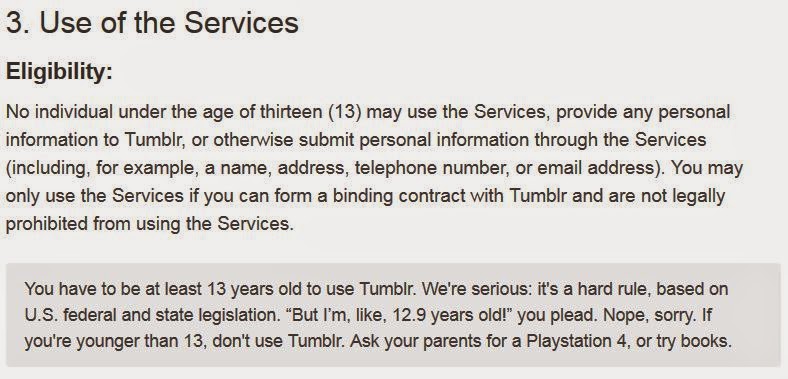
  4. They’re Not Technically Allowed to Have Accounts – If you don’t prohibit Facebook use for your preteen for any other reason, you should consider the fact that allowing them to start an account is tantamount to telling them that it’s okay to lie. Facebook doesn’t allow users younger than 13, so your child will have to falsify her age in order to sign up. Doing so with your permission is effectively sending a message that lying is acceptable behavior if you’re lying to get something you really want.
  5. Reducing Screen Time – Between television, video games and time spent online for homework purposes, kids spend enough of their day planted in front of an electronic screen. Facebook is just another way for your child to while away the hours in sedentary activity, rather than getting outside and being active.
  6. Preserving Academic Performance – When your child is supposed to be online researching homework methods or studying for a big test, his shiny new Facebook account can be a very serious distraction. Kids so young may have difficulty controlling their impulses, and may spend far more time on the social media site than they do actually working.
  7. Protecting Your Computer from Malware – You and your teenagers may have a basic idea of how to avoid malware and spyware sent out by unscrupulous Facebook users, but your tween probably doesn’t. Keeping your child off of social media for a few more years can also be your computer’s saving grace.
  8. Because Kids Lack Adult Judgment – The fact that college students post photographs of binge drinking parties and incriminating status updates at an alarming rate is proof that young people don’t always have the best judgment when it comes to social networking. For a young child, not understanding acceptable Facebook use could lead to them sharing very sensitive personal information that later proves to be dangerous.
  9. Friends Lists Can Be Difficult to Manage – When the friend requests start rolling in, your tween will probably accept each and every one of them because it makes her feel well-liked and cool. That can give some shady characters access to her profile, something she may have trouble understanding when she’s still so young.
  10. Tech-Savvy Tweens Can Block Your Monitoring Efforts – Some preteens may have trouble avoiding malware and managing a friends list, but others will be tech-savvy enough to filter their updates and change security settings that affect what you’re able to see. Even if you think you’re monitoring your child, you may only be seeing a fraction of the things she does online.
If you still think that your preteen is mature and trustworthy enough to have a Facebook account without getting into trouble, the decision is up to you. Be warned, however, that your child could find all of her hard work tossed to the wayside if Facebook administrators discover that she’s maintaining an account before she’s reached the age limit set in the terms of use and decide to delete the account.

Source:  Babysitting Jobs

Sunday, August 17, 2014

Social Media and Student's Future Careers

Back to school - let your kids know their keystrokes will effect their future.

I have discussed this topic for a long time along with my colleagues we constantly discuss the importance of digital citizenship.  It will be your virtual image that will dictate your future.  Your keystrokes are that important!  No one gets a second chance to make a first impression – especially when their name is being put through an Internet wash-cycle.

More employers are turning to social networking sites to find additional information on potential candidates – and they’re not entirely impressed with what they’re seeing. A new survey from CareerBuilder found that 51% of employers who research job candidates on social media said they’ve found content that caused them to not hire the candidate, up from 43% last year and 34%  in 2012.
Forty-three percent of employers use social networking sites to research job candidates, up from 39% last year and 36% in 2012. Additionally, 12% of employers don’t currently research candidates on social media, but plan to start, according to the national survey, which was conducted online by Harris Poll on behalf of CareerBuilder from February 10 to March 4, 2014, and included a representative sample of 2,138 hiring managers and human resource professionals, and a representative sample 3,022 full-time, private sector workers across industries and company sizes.

Beyond Social Networking
Employers aren’t limiting themselves to social networks when it comes to researching candidates’ web presences. Forty-five percent of employers use search engines such as Google to research potential job candidates, with 20 percent saying they do so frequently or always. Additionally, 12 percent of employers say they’ve reviewed a potential job candidate’s posts or comments on Glassdoor.com, Yelp.com or other ratings sites.

Helping or Hurting?
So what are employers finding on social media that’s prompting them to eliminate candidates from consideration? The most common reasons to pass on a candidate included:
  • Job candidate posted provocative or inappropriate photographs or information – 46%
  • Job candidate posted information about them drinking or using drugs – 41%
  • Job candidates bad-mouthed their previous company or fellow employee – 36%
  • Job candidate had poor communication skills – 32%
  • Job candidate had discriminatory comments related to race, gender, religion etc. – 28%
  • Job candidate lied about qualifications – 25%
  • Job candidate shared confidential information from previous employers – 24%
  • Job candidate was linked to criminal behavior – 22%
  • Job candidate’s screen name was unprofessional – 21%
  • Job candidate lied about an absence – 13%
However, one third (33%) of employers who research candidates on social networking sites say they’ve found content that made them more likely to hire a candidate. What’s more, nearly a quarter (23%) found content that directly led to them hiring the candidate, up from 19% last year.
Some of the most common reasons employers hired a candidate based on their social networking presence included:
  • Got a good feel for the job candidate’s personality, could see a good fit within the company culture – 46%
  • Job candidate’s background information supported their professional qualifications for the job – 45%
  • Job candidate’s site conveyed a professional image – 43%
  • Job candidate was well-rounded, showed a wide range of interests – 40%
  • Job candidate had great communication skills – 40%
  • Job candidate was creative – 36%
  • Job candidate received awards and accolades – 31%
  • Other people posted great references about the job candidate – 30%
  • Job candidate had interacted with my company’s social media accounts – 24%
  • Job candidate had a large amount of followers or subscribers – 14%
“It’s important for job seekers to remember that much of what they post to the Internet – and in some cases what others post about them – can be found by potential employers, and that can affect their chances of getting hired down the road,” said Rosemary Haefner, Vice President of Human Resources at CareerBuilder. “Job seekers need to stay vigilant, and pay attention to privacy updates from all of their social networking accounts so they know what information is out there for others to see. Take control of your web presence by limiting who can post to your profile and monitoring posts you’ve been tagged in.”

Watch What You Post
Employers shared the strangest things they’ve discovered on job candidates’ or current employees’ social media profiles, including:
  • Candidate’s profile included links to an escort service
  • Candidate posted a photo of a warrant for his arrest
  • Candidate posted an exercise video for grandmothers
  • Candidate had sued his wife for shooting him in the head
  • Candidate featured a pig as his closest friend
  • Candidate posted his dental exam results
  • Candidate bragged about driving drunk and not getting caught on several occasions
  • Candidate was actively involved in a demonic cult
  • Candidate posted Sasquatch pictures he had taken
Privacy
Many workers and job seekers are taking measures to protect their privacy and avoid over-sharing with potential employers. Nearly half (47%) of workers only share posts with friends and family, 41% have their profile set to private, and 18 percent keep separate professional and personal profiles. Twenty-eight percent of workers say they don’t use social media.

careerbuilder_-_useAbout CareerBuilder®
CareerBuilder is the global leader in human capital solutions, helping companies target and attract great talent. Its online career site, CareerBuilder.com®, is the largest in the United States with more than 24 million unique visitors and 1 million jobs. CareerBuilder works with the world’s top employers, providing everything from labor market intelligence to talent management software and other recruitment solutions. Owned by Gannett Co., Inc. (NYSE:GCI), Tribune Company and The McClatchy Company (NYSE:MNI), CareerBuilder and its subsidiaries operate in the United States, Europe, South America, Canada and Asia. For more information, visit www.careerbuilder.com.

Published with permission from Career Builder.

Sunday, July 13, 2014

Summertime and Teen Driving: Parents Are Role Models


Car crashes already are the leading cause of death for U.S. teens, who have the highest crash rate of any age group, AAA stated. During the summer months — when drivers rack up 20 billion more miles than at other times of the year — an average of 260 teens are killed in accidents each month. That's a 26 percent spike compared with the other months of the year.

Not only are teens themselves more likely to die in car crashes, they also have the highest rates of crash involvement resulting in the deaths of others, including passengers, pedestrians or occupants of other vehicles, AAA stated.

Moreover, risk increases "exponentially" with the addition of each younger passenger in a car driven by a 16- or 17-year-old. Compared with a 62 percent risk reduction when one passenger age 35 or older is in a teen driver's car, the risk of being killed increases 44 percent with just one passenger younger than 21; it doubles with two passengers under 21; and quadruples with three or more passenger under 21.

To help keep young drivers — as well as their passengers, other motorists and bystanders — safe this summer, the Insurance Information Institute advises the following precautions:
  • Choose a safe car for your teen that's easy to drive and offers protection in a crash — avoid small cars, large SUVs and those with high-performance trims.
  • Enroll teens in a driver-education course and safe-driver program, which will better prepare them for challenging situations on the road. These programs inform teens of the responsibilities and consequences of driving, and possibly earn them an insurance discount.
  • Discuss the dangers of talking or texting on cellphones while driving, as well as drug and alcohol use, and develop a plan for getting home if they encounter an impaired-driving situation.
  • Be a good role model. Remember: If you drive recklessly, your teen likely will imitate you.
Source:  AAA and Kicking Tires

Saturday, June 14, 2014

Teens Smoking Cigarettes

With summer here some tweens and teens will try new things - smoking might be one of them.

Most know it, yet peer pressure can sometimes outweigh it when it comes to kids.

Kids can get pretty creative when it comes to hiding their bad habits from parents and most parents assume that their child would never do anything like take drugs, drink alcohol or smoke cigarettes. In all cases there are certain signs to watch for that let you know if your child is indulging in any of these risky behaviors, no matter how crafty they may be at trying to hide them.

Here are some signs to watch for if you think your child may be smoking.
  1. More use of breath mints or chewing gum – Has your child suddenly felt it necessary to always chew gum or have breath mints? If so, there is a chance that they might be trying to cover up the bad breath that smoking causes.
  2. The dirty ashtray smell – Chances are if you confront your child about smelling like a dirty ash tray, their first response will be to blame it on the friends they hang around. This may or may not be true. If their clothes and possessions constantly and regularly smell like smoke, then there is a pretty good chance they are smoking.
  3. Yellowing teeth – Smoking causes the teeth to yellow from all of the chemicals they’re exposed to, so if your child’s teeth are beginning to turn a shade of yellow then you may have a problem on your hands.
  4. Shortness of breath – Smoking does affect the lungs and decreases lung capacity, so if your child is beginning to get easily winded it may be time to sit down and have a talk with them.
  5. Bad breath – If your child has really bad breath that reeks of smoke, it’s definitely time for you to have a heart to heart conversation about smoking and all of its negative side effects.
  6. Poor performance in athletics – If you see your once active child suddenly begin to decline in athletic performance this could be a sign that tobacco use is to be blamed.
  7. Yellowed fingers – Nicotine from cigarettes can cause yellowish staining of the fingers that commonly hold the cigarettes. If you’ve already had a suspicion you’ll want to watch for those telltale stains.
  8. Unexplained coughing – Children can cough due to colds and allergies but if your child is coughing and there is not a cause of which you are aware, you may want to ask some questions.
  9. Their space becomes off limits for you – As kids get older they want their privacy and their space becomes sacred to them. This is natural, but only within reason. If their room becomes completely off limits to you, look into the reason why. Does the room smell like smoke? Are they constantly burning incense?
  10. Overuse of perfume or cologne – Attempting to hide the smell of smoke on their clothes by using extra perfume or cologne is another possible sign that your child could be using cigarettes.
While none of these signs alone are necessarily cause for concern two or more together may warrant a closer look. If you find that you do need to talk to your child, do your best to stay calm and keep the lines of communication open.

Now is not the time to lecture or sermonize. Find out what the appeal to smoking is and remind your child about the costs both financially and to their health. Having an open and honest conversation will show your child that you are genuinely concerned about their well-being and hopefully will cause them to rethink developing this unhealthy habit.

Wednesday, May 14, 2014

Teens and Summer Options

Summer is approaching....
 
Some kids are able to attend summer camps, some aren't.

There are several factors that could make traditional sleep-away summer camp a less-than-ideal choice for some families, such as the age and temperament of children and the significant financial burden that such camps can impose. 

Very young children are typically excluded from sleep-away camps automatically, while older kids who do meet age requirements may balk at the idea of spending an extended period of time away from their families and friends. The anxiety and stress that often accompanies homesickness is likely to make parents consider the expense of summer camp an unwise investment, as many summer camps charge hundreds of dollars in fees, even before the added expense of buying supplies.

Here are ten great alternatives for parents who want to keep their children occupied and engaged during summer vacation without sending them to pricey and distant summer camp.

1. Volunteer Programs – Older children can learn a sense of civic responsibility and the importance of helping others by spending part of their summer participating in a local volunteer program. Animal lovers among the smaller set may be thrilled with the idea of helping at a local animal shelter, while others may enjoy working with a local charity or visiting a local retirement community.
2. Community Day Camps – Community centers in most cities offer summer day camp programs, allowing kids to enjoy all of the fun activities that are a part of a sleep-away camp without the stress of spending weeks away from the familiarity of home.
3. Religious Summer Programs – Many places of worship offer vacation workshops and other similar programs with a theme of religious instruction during summertime, which may be an ideal choice for devout families. Kids can spend the summer among peers who share their spirituality, learning about their family’s belief system through arts and crafts, story time, and other kid-friendly activities.
4. Arts Workshops – Many art museums offer programs specifically tailored to budding art aficionados; local universities may also host summer programs for children staffed by students with education or arts majors. University programs may include visual art, musical instruction, or theater programs, depending upon your area.
5. Sports Clinics – Pint-sized athletes are sure to love spending the summer honing their skills, which makes a local sports clinic the ideal choice. These programs keep kids physically active, which is a huge plus for parents who are concerned about the sedentary lifestyle that many children adopt when school ends. Rather than spending hours in front of the television or the computer, kids who participate in a sports clinic can enjoy fresh air, sunshine, and exercise while becoming stronger and more skilled athletes.
6. Academic Programs – During summer vacation many school systems still offer programs for academically gifted children. Some programs even focus on peer-tutoring, allowing more advanced students to offer assistance to classmates who struggle in some areas, which can build a sense of social consciousness. Alternatively, many programs feature an emphasis on building and expanding gifted kids’ already-impressive knowledge base.
7. Scouting – While the Boy Scouts and Girl Scouts of America do have summer camps for their troop members scattered across the country, plenty of troops stay home during summer vacation to participate in locally-based scouting activities. School vacations provide active scouts with the opportunity to earn merit badges and other achievements, which can be difficult to do during the hectic school year.
8. Family Day Trips – Families can spend their summer vacation taking a series of fun and exciting day trips. Visiting the zoo, the park, or a children’s center during the dog days of summer are surefire cures for the boredom and inertia that often sets in around mid-July.
9. Visiting Extended Family – Today’s families tend to be more spread out than in previous generations, so kids might not get to spend as much time with members of their extended family as they would like. While spending a few weeks at summer camp might be daunting for some kids, visiting a favorite family member during summer vacation might not be as stressful.
10. Family Camping Trips – Skipping a sleep-away summer camp doesn’t mean that kids have to forgo the camping experience altogether; outdoorsy families can plan a camping trip that keeps everyone together and costs far less than sleep-away camp fees.

Join me on Facebook and follow me on Twitter for more information and educational articles on parenting today’s teenagers.

Thursday, April 17, 2014

Digital Parenting and Cell Phone Etiquette

Remember when phone etiquette simply referred to the rules regarding answering the home phone? Now that most people, including teens, have their own cell phones, phone etiquette has a whole new meaning. It includes courteously using a phone to talk, text and enjoy the other features of today’s smart phones.

Here are some rules to share with your teen to encourage him to be a responsible and polite phone user.

Turn off your phone when you’re having a face to face conversation with someone. The increased use of cell phones, tablets and laptops has taken a toll on personal communication skills. Many teens have a hard time putting their phones down and engaging in a real and sustained conversation with another person. It’s become harder and harder for parents, teachers, coaches and others to connect with teens in meaningful ways, and when they are able to it’s often cut short by technology. While being able to answer the phone every time someone calls is convenient, interrupting a face to face conversation for a phone chat is disrespectful.

Teach your teen to turn off his phone or set it to vibrate (and then ignore it!) when he’s involved in a face to face conversation. Help him understand that by giving someone his full attention, he’s sending the message that he genuinely cares about what the other person is saying. Imagine how great it would be to enjoy dinner with your teen without his phone ringing, beeping or vibrating every few minutes.

Remember that basic phone rules still apply. Although your teen will know most of the people calling him, he will still need to know how to correctly answer a phone call meant for another. Remind him to speak clearly, ask if he can take a message, repeat the message back to the caller and use “please” and “thank you.” As a follow up, he should get the message to the intended party as soon as possible.

Keep the volume down when in a public place. There are few things more annoying than someone loudly chatting away on a cell phone right next to you. Remind your teen that when he’s in a public place like a restaurant or movie theater, he’s sharing that space with a bunch of people who aren’t interested in his conversation. He should keep his voice lowered and step away from the crowd to talk. Some may still be able to hear him, but his phone conversation will be much less intrusive to others.

Keep it G rated. Teens often try out a wide variety of curse words and crude statements as they find their “voice.” Although it’s a natural part of the teen years, that doesn’t mean others should have to endure it. Let him know it’s unacceptable to use that type of language in any public conversation, especially if children or young adults are around.

Don’t talk or text and drive. Not only is this good etiquette, it’s also an essential safety measure. Talking or texting while driving continues to rise and continues to cause injuries and fatalities. Make this a clear and unwavering rule for your teen to keep him and others safe on the road. There are also plenty of hands-free options available today. Many newer cars are equipped with built in Bluetooth connectivity, which makes answering a call or text safer. However, it’s never a good idea for your teen’s attention to be anywhere but the road, so carefully consider if hands-free calling is well suited to your child.

Don’t take pictures or videos without permission. It’s easy to snap a picture or grab a video with today’s smartphone technology. But just because it’s possible, doesn’t mean it’s a good idea. Ask your teen to make sure she has permission from everyone she takes a picture or video of. Many people, including other teens, don’t want to be caught in what others might think are funny poses or situations. Posting inappropriate pictures and videos has become a signature of bullying, so it’s a sensitive topic. Even if your teen has the best intentions when using her smartphone camera, it could lead to problems.

It’s easy for teens to get off track when it comes to phone etiquette. They have fewer and fewer opportunities to learn and practice interpersonal communication skills in their everyday life, so it’s no surprise when phone skills fall by the wayside. A few quick conversations and limits around phone use can easily get your teen back on track.

Thursday, March 20, 2014

Does Your Teen Lie?

Let's face it, tweens and teens are a challenge and there will come a time when you are going to question something they are telling you. Are they really going to the mall or are they heading out to a party?

How do you know?

When your child is younger, spotting a fib isn’t much of a challenge. Little ones don’t quite have the skills they need to fabricate a plausible excuse, so picking apart a questionable story is usually the work of a moment. As kids get older and hone their skills in the world of deception, however, it usually becomes a bit more difficult to spot a false story. Accusing your teen of lying when she’s telling the truth can cause a major blow-up and do serious damage to your relationship, but letting her out of the house with a flimsy story can put her in dangerous situations. At no time in your child’s life is it more difficult to pick out a lie than when she’s a teenager, but it’s also the time when it’s most imperative.

While there’s no fool-proof method of sussing out the truth when a teen is determined to lie, there are a few things you can keep in mind that may help you get to the bottom of a story before things get out of hand.

Look for Out-of-Character Behavior
Just as all poker players have a tell or two that will tip off an opponent in the know, everyone has a few tics that can give them away when they lie. The key to spotting suspicious behavior in your teen, however, is to be intimately familiar with her habits when she’s telling the truth. When you know your child and her mannerisms through and through, you’ll be better positioned to pick up on inconsistencies that indicate a lie or two. For instance, a teen that normally looks at the floor may be conscious that she needs to make eye contact in order to sell her story, and may hold that eye contact for so long that it tips you off to her tall tales. Any mannerisms that are out-of-character and suspicious can be indicators that she’s lying, so be on the lookout for changes in behavior.

Listen Carefully
It’s easy to get so caught up in trying to decode your teen’s behavior that you miss out on the most important aspect of determining the veracity of a story: just listening. Make sure that you pay attention to not only your teen’s mannerisms, but also what she says and how she says it. Long pauses after you ask a question are usually the result of your teen looking for holes in her story before answering, concocting an answer to your question that falls in line with her previous tale or to cover her tracks in case of a misstep. Slight stuttering or stammering or a change in pitch may also be indicators that your teen’s story isn’t entirely true.

Observe Her Body Language
A teenager that’s normally poised and graceful may have a perfect, seamless story to tell that fails only because her shifty body language betrays her. Look for fidgeting, excessive touching of the face, mouth or neck, tapping toes or a visible struggle to stand still. If your teen is suddenly fascinated with the hemline of a shirt or a stray thread poking out of a seam, she may be looking for an excuse to avoid making eye contact with you. Watching your child’s body language and comparing it with her normal behavior can give you a good idea of when her story is less than honest.

Ask Questions
Don’t be afraid to ask the hard questions, or even the strange ones. Your job as a parent is to find out where your teen is going and what she’s up to, so don’t shy away from questioning a story that doesn’t sit right with you. Follow your instincts and listen to what your own experience tells you. If there’s a loose thread in your teen’s story, follow it to see how well that story holds up. Look for inconsistencies or discrepancies with the information you already have versus what she’s giving you.

Trust Her
While it may seem like trusting a teenager is just asking for trouble, you may be actively harming your relationship with her by questioning every word that falls from her mouth. Realizing the importance of showing her that you do trust her, and letting her know that you’re approachable when she’s in need of help or advice can actually foster a more open relationship that’s based on mutual trust and respect. When you work to build that trust, you won’t have to worry so much about picking apart her stories, as she’ll be more honest with you from the outset of a conversation.
Accusing your child of lying when she’s telling you the truth only makes her angry and makes her more likely to stretch the boundaries of the truth in the future. After all, if she’s being accused of lying and punished undeservedly for dishonesty, why shouldn’t she at least earn your lack of trust and the penalties you level against her by doing exactly what you accuse her of?

Source: Babysitting.net

Be an educated parent, you will have safer teenagers!

Thursday, February 20, 2014

Teens Sexting

Sexting is a topic that has been in the headlines and it isn't only about teens.  Adults are guilty of sending and receiving sexual content via digital devices.

What is sexting?

Sexting is the sending of sexually explicit photographs or messages via mobile phone.

Why does it matter when it comes to our teens:

In a technology world where anything can be copied, sent, posted, and seen by huge audiences, there's no such thing as being able to control information. The intention doesn't matter - even if a photo was taken and sent as a token of love, for example, the technology makes it possible for everyone to see your child's most intimate self.

In the hands of teens, when revealing photos are made public, the subject almost always ends up feeling humiliated. Furthermore, sending sexual images to minors is against the law, and some states have begun prosecuting kids for child pornography or felony obscenity.

What can parents do?
  • Don't wait for an incident to happen to your child or your child's friend before you talk about the consequences of sexting. Sure, talking about sex or dating with teens can be uncomfortable, but it's better to have the talk before something happens.
  • Remind your kids that once an image is sent, it can never be retrieved - and they will lose control of it. Ask teens how they would feel if their teachers, parents, or the entire school saw the picture, because that happens all the time.
  • Talk about pressures to send revealing photos. Let teens know that you understand how they can be pushed or dared into sending something. Tell them that no matter how big the social pressure is, the potential social humiliation can be hundreds
    of times worse.
  • Teach your children that the buck stops with them. If someone sends them a photo, they should delete it immediately. It's better to be part of the solution than the problem. Besides, if they do send it on, they're distributing pornography - and that's against the law.
  • Check out ThatsNotCool.com. It's a fabulous site that gives kids the language and support to take texting and cell phone power back into their own hands. It's also a great resource for parents who are uncomfortable dealing directly with this issue.

    -Source Common Sense Media

Thursday, January 23, 2014

Safer Internet Day 2014

Today digital parenting is considered part of raising our kids.  Especially with teenagers an all their gadgets.

Most teens are mobile now, and the ones with cell phones, 48% of them have data plans (internet).

It is more important than ever that parents discuss privacy concerns as well as their digital footprint.  From the moment your child is given a keypad, their future starts on the internet.

Safer Internet Day is about creating a better internet together!

Safer Internet Day (SID) is organized by Insafe in February of each year to promote safer and more responsible use of online technology and mobile phones, especially amongst children and young people across the world.


Tuesday, December 31, 2013

Teens and Fake Profiles on Facebook

Recently I have read reports about teens leaving Facebook.  Of course we can understand why -- more and more parents and seniors are joining Facebook and teens want their privacy!

However I am not convinced that teens are quitting the largest social networking site - for several reasons.  Sure they have Twitter, Instagram, Whatsapp, SnapChat and others - but none will give you the functionality that Facebook has.

I believe teens (and tweens - since we know that minors are also on Facebook) are likely creating fictitious profiles on Facebook.

How would a parent know and why is it important to know?

Safety reasons obviously.  As a parent it is your responsibility to monitor your child's digital life.  Especially if their off-line behavior starts acting suspicious (withdrawn, secretive, changing friends, etc) you need to be aware of what is going on with them so you are able to help.

Recently I wrote an article in Huffington Post Parents with tips to see if your teen has a fake profile on Facebook.  Read more and pass it on to a friend with kids.

Be an educated parent, you will have safer teens! On and off-line.

Tuesday, December 17, 2013

Cyberbullying: It Doesn't Recognize Holidays

Order today!
Wouldn't it be nice if there was a time when you could power up your electronics -- whether it's your iPad, tablet, PC or cell phone -- and not have to worry about any type of hostile content?

Internet trolls and cyberbullies never take vacations or summer breaks, and they don't recognize holidays.

This holiday season, as cyberbullying and bullying sadly continues, you can give your teens and kids the gift of cyber-armor!

Read my latest post on Huffington Post Parent - click here.

Order Words Wound!

Wednesday, December 4, 2013

Good Teens Bad Choices: Helping Your Kids Build Self-Esteem

Help! My teen is hanging with the wrong crowd!

This is a common statement from parents when their child is starting down a negative road.
Your child’s self-esteem is an important part of his self-image. It helps him feel he’s worthwhile just as he is and helps him feel good about his choices and decisions. A healthy self esteem doesn’t just happen overnight. It’s something that is nurtured and grown throughout a lifetime, and something that the important people in his life have a chance to help cultivate.
Here are some tips for boosting your child’s self-esteem.

Give your child choices throughout the day. A big part of healthy self-esteem is feeling capable. Offering your child choices about what outfit to wear, what to have for a snack or for lunch, or if he should pick up the play room before or after going to the park will give your child practice making good choices. When offering young children choices, the key is being comfortable with whatever the child chooses. The goal is to help him think about both sides and make a decision that he feels will best satisfy his needs.

Avoid generic praise. Parents want kids to feel good about the things they do and to encourage them to repeat the types of behavior they value. So parents often say things like “Great job!” after everything from finishing vegetables at dinner to putting socks on in the morning to going down the slide at the park. While generic congratulations feel good to a child for a short time, after too many times it becomes meaningless. In fact, congratulating a child for things that don’t require real effort can make a child lose trust in the parent’s honesty.

Use specific praise generously. It’s helpful to a child’s self-esteem to hear from parents and other adults about their accomplishments, both big and small. Instead of using generic praise, let your child know how much you admire and appreciate his specific behavior. Phrases like “I appreciate your help in picking up the play room this afternoon. It means we have more time at the park!” or “Eating your vegetables will help your body grow strong and healthy. I love your willingness to try new things.” or “I’m so proud of how you climbed to the top of the tower. That took strong arms and great balance!” will help your child feel good about his abilities and choices.

Avoid negative labels. Most of the way we communicate with others is based in lifelong habits. Unfortunately some unhealthy habits may find their way into your parenting or caregiving vocabulary. Labeling a child as being mean, lazy, uncoordinated or hyperactive, or calling him a whiner, liar or babyish can negatively affect his self-esteem. Children are sensitive to what the people they love think about them and words can have a huge effect. Choose your words carefully and talk about challenging behaviors or traits in positive terms.

Become a great listener. Giving your child your full attention and truly listening to what he is saying and how he feels is an immediate self-esteem booster. When you turn off your phone, the TV and the computer and fully engage with your child it shows him that you really care about him and that you’re interested in what he has to say. That kind of undivided attention is rarer than it should be these days and will make your child feel valued and loved.

Model healthy self-esteem. Your child looks to you for clues about how to think, act and feel. Make sure you’re sending the right message. Invest in developing your own healthy self-esteem and you’ll be on your way to helping your child develop it too. Have a positive body image, be confident about your abilities, and don’t let petty criticisms from the outside world make you feel bad about yourself and your choices. If you struggle with esteem issues, talk about them with your child in an age appropriate way and show him the steps you’re taking to develop a healthy self-esteem. Showing your child that you’re not perfect, but that you’re working towards being better, gives him the freedom to accept his flaws too.

Teach problem solving skills. Teaching your child how to objectively assess a situation, brainstorm solutions, and put a plan into action is a proactive way of building self-esteem. Children who feel able to handle challenging situations, who recognize that when they get knocked down they can get right back up and try again, and who are confident that every problem has a solution have a strong sense of self-esteem.

Self-esteem is an important part of a child’s healthy emotional development. It acts like a suit of armor for your child, protecting him from many of the bumps and bruises that come with everyday life. It also gives him a strong foundation to build life skills on.

Saturday, November 9, 2013

What Is Your Parenting Style?

Does your teen listen to you?
Most parents know that raising teens is a challenge today.

Consider these suggestions when dealing with the following temperaments on a day-to-day basis:

• Flexible and affable. These teens live on the sunny side of the street. They are generally agreeable and tend not to take things personally.

Appreciate their good nature and let them know that you do. It’s unfair and risky not to give them your very best parenting just because they are less likely to get angry or become sullen.

• Sensitive. These teens often take awhile to adjust to anything new. They like routine and knowing what is going to happen when. They may not appreciate teasing or certain kinds of humor.

Give these teens plenty of advance warning when a change is about to happen. Take a little extra time to explain things to them. If you hurt their feelings, apologize.

• Challenging. These teens can be critical, especially of their parents. Their first reaction is often a negative one, and they seem to enjoy arguing for its own sake.

These teens dislike rules, so set only a few that speak to your top priorities. Model a good example for them. Don’t return criticisms with criticism of your own. Let them know you always love them, even though you may not love their behavior.

Copyright © 2013 Parent Institute

Wednesday, October 30, 2013

Teen Mischief

Teen shoplifting....
As the holidays are approaching, there will be many teens off from school - many staying at home looking for something to do.

It is important to keep your kids busy in constructive and positive ways.  Bored teens can sometimes lead to trouble.  Teen Shoplifting, vandelism and more may haunt your homes – be an educated parent, take the time to create activities for the entire family.

For many kids, adolescence is a trying phase of life. Body changes, school pressures, and personality changes can be very overwhelming to your teen when occurring all at once. Because of these pressures, adolescents can be more susceptible to things like peer pressure. Whether it’s out of a desire to fit in or stand out, your normally levelheaded teen can be easily pressured into committing dangerous and illegal acts they might never otherwise consider.

Sometimes, these activities are relatively harmless, and can include things like dying their hair a bold color, or cutting a class or two. But often, many teens find the desire to fit in so strong they are willing to compromise their own morals to be part of the ‘in’ crowd. They may be more likely to experiment with drugs or alcohol, or commit other criminal activities, all for the sake of ‘fitting in’.
Though there are many dangers your teen may encounter, this site deals specifically with teenagers and criminal activity, like shoplifting, vandalism, and violent crime. Teens can partake in these activities for many reasons- peer pressure  being just one of a long list of possibilities.

Click here for my website on Teen Mischief.

Saturday, October 19, 2013

Does Your Teenage Boy or Girl Show Weight Loss, Increased Body Hair, Acne? How to Spot the Signs of an Eating Disorder


Is your teen losing weight, suffering from severe acne, hiding food, or fasting? Could it be Anorexia or Bulimia? Causes, symptoms and treatment discussed.

Is your teen losing weight, suffering skin problems like severe acne, hiding food, binging, vomiting or fasting? He or she might have an eating disorder. 

Anorexia nervosa and Bulimia are serious eating disorders that have severe health impacts, sometimes even causing death in teens as young as eleven or twelve.

Weight loss, over-excercising, teenage acne,counting calories, depression and distorted body image, binging or uncontrolled eating, vomiting, and hiding food.  These are just some of the symptoms.  There are many others.

Symptoms of Anorexia:

  • Weight loss-15% below the ideal weight for her age and height.
  • Being obsessive about counting calories and eating fat-free foods.   
  • A fear of gaining weight.
  • Being cagey about eating habits.
  • Obsessive and compulsive or excessive exercising.
  • Abusing laxatives or diuretics.
  • Mood and emotional problems like depression or anxiety.
  • A severely distorted self and body image.
  • Loss of bone mass.
  • Absence of menstrual periods.
  • Low body temperature.
  • Death-from dehydration, heart failure or other causes.

The main symptom of Anorexia Nervosa is a marked fear of being fat and obsessions about being and becoming thin.  This usually translates into intense and secretive efforts to avoid food.  No matter how thin an anorexic girl or by becomes they will still see themselves as fat.  Ultimately the person will starve themselves, and use exercise and laxatives to aid this process.

Unfortunately attempting to force an anorexic teen to eat will likely end in failure and might even make the problem worse.  This is because the disorder isn’t really about food or weight.  Some patients become obsessed with other health concerns like teenage acne, hair care, or how they dress and behave.

Anorexia is more than just a desire to look good or be accepted.  Teens with these diseases are looking for more than just a perfect body.  Anorexia is a complex psychological disorder that is linked to severe depression and low self-esteem.

Symptoms of Bulimia:

  • Uncontrollable eating (binge eating).
  • Dieting, fasting and vomiting as weight control measures.  
  • Visiting the bathroom often after eating –usually to purge.
  • Heartburn, indigestion or sore throat.
  • Being obsessive about body weight.
  • Mood changes and depression.
  • Hoarding or hiding food.
  • Dental changes such as loss of enamel, cavities and abrasions –due to frequent vomiting.
  • Dehydration and electrolyte loss.
  • Bowel, kidney and liver damage.
  • Irregular heartbeat and possible cardiac arrest.

Teens with bulimia eat very large amounts of food and then induce vomiting to remove the food from their bodies.  They are not comfortable or happy with their self and body image. 

Most appear to be of normal weight, which can make the disorder difficult to spot, but some are underweight or overweight.  Some sufferers also abuse drugs and alcohol.  Bear in mind that many obese people have binge eating disorder but this is not the same as Bulimia.

Who gets Anorexia and Bulimia?

Around 75% of girls are not happy about their weight or feel they are too fat.  Anorexia occurs only in 1% of girls worldwide.  Do bear in mind that while eating disorders are more common in girls they also affect teen boys. 

About 90% of sufferers are girls between 12 and 25 (National Alliance for the Mentally Ill). Fewer than 10% are boys or men.  It is more prevalent in groups that value slim physiques such as athletes, dancers or models. As already mentioned eating disorders may be masked in seeking treatment for teenage acne, skin problems, tooth decay etc. just as an adult might.
  
What causes eating disorders?

It is not known exactly why one person will develop an eating disorder and another won’t.  In two thirds of cases dieting can trigger the disease, but this is not the only important trigger mechanism.  Most girls and boys with eating disorders have low self and body image or co-existing emotional disorders like anxiety and depression.

How dangerous are eating disorders?

The effects of both Anorexia Nervosa and Bulimia can be very damaging to the general health.  They can even cause death.  Diuretics (water pills), laxatives, and weight loss pills can be very damaging to the body’s organs.  Syrup of ipecac is often used to induce vomiting and is also deadly if used in excess. Very low body weight on its own offers some life-threatening complications. 

Some effects are minor such as skin, hair problems and back acne, for which treatment might be sought. Most teenagers do not need any type of diet, except a healthy one.  If your teen is overweight good eating habits and exercise is usually all that is needed to bring the problem under control.   

The body mass index (BMI) of a teen is more important than calorie and pound counting.  A body mass index below the 5th percentile for the child’s age and sex can be considered underweight.  Consult BMI tables for more information. 

How to help your teen cope with an eating disorder:

Teens can be helped to avoid falling prey to unhealthy obsessions with food or weight by learning early on to associate healthy eating with good health and self-love.  Avoid excessive focus on weight within the family and place the emphasis on lifestyle changes not dieting. 

If you suspect that your teen has an eating disorder, use “I” statements and make sure he or she understands that you are concerned not judging.  It is important to LISTEN.  The average teen finds it hard to share emotions, and these teens are especially blocked or sensitive.

In Anorexia nervosa it is very important that some weight is regained as soon as possible so this should be an important goal of treatment.  To do this, teens will need to overcome fears and perceptions in a therapeutic setting.  In most cases any eating disorder is best dealt with at a clinic or facility especially tailored for this. 

Concerned parents can call the National Eating Disorders Association’s Toll-Free Information and Referral HelpLine at 1-800-931-2237.

If you uncover that your child does have an eating disorder he or she needs to be evaluated as soon as possible. Eating disorders need to be properly diagnosed by medical and psychiatric professionals. They always need medical attention.

The National Institute of Mental Health has an online brochure on eating disorders that discusses current research. 

Eating Disorders  by KidsHealth will also provide parents with information. 

Guest post by Joanna Curtis

Tuesday, October 8, 2013

Bullying: 10 Ways Technology Has Made It Worse

It is National Bullying Prevention Month.

When we were growing up there were bullies. Nobody liked to be bullied, but it was a fact of life that you had to deal with kids that weren’t very nice. Now, schools are so anti-bullying that anything that even slightly seems like bullying is taken very seriously. At least when we were growing up they didn’t have Facebook to upload embarrassing videos to that would ruin a person’s life. 

Check out 10 ways technology makes bullying worse.
  1. Facebook: Embarrassing pictures and videos can be uploaded to Facebook in a matter of a few seconds and ruin someone’s life forever. Kids do not understand the damage that something like that can do to a person. People have actually committed suicide because of events like these.
  2. Cell phones: Growing up we did not have cell phones. Kids these days have the ability to take pictures at a moment’s notice and sometimes not in the most appropriate places. Nude pictures of students in the shower or in the locker room have also caused suicides.
  3. Texting: Kids can bully by texting now. They can text everyone else at the same time something bad or embarrassing about someone else. They can also send pictures over their phone to everyone on their contact list. Bullying like this can make someone’s life miserable.
  4. Flip cameras: These cameras are used to shoot quick videos at close range and can be uploaded to the Internet. Kids that want to bully just have to take embarrassing videos of a student and share them with everyone. Or a video can be sent to a parent as well that would get them grounded or in trouble.
  5. You Tube: A lot of good things have happened to people by posting a video on You Tube, but a lot of bad stuff has happened too. People love to be the first one to dish the dirt on someone else. They witness a fight they grab their cell phone and upload it to You Tube. Or they set someone up and post what they think is a funny video to You Tube, but it’s actually very embarrassing. People don’t think they are bullying when they do this stuff, but they really are.
  6. Gaming systems: Many online gaming systems allow conversations between the players. Teens have reported that someone pretending to be them said mean things or embarrassing things to another person. This kind of bullying is hard to stop and hard to track. It does however cause a lot of problems for today’s teens.
  7. Blogs: There are teens that create blogs that post the latest gossip about people and will say nasty things about people. Teens feel that they are anonymous and that no one can tell who is doing the bullying, but there are ways to track down who’s doing it and there are some big consequences. If the bullying leads to a suicide the teen who is behind the bullying can be brought up on charges and sent to jail. Lesser sentences are losing privileges to use a computer for 2 years. Try doing your homework without a computer these days.
  8. Chat sites: Other sites online have chat rooms where teens can go and chat with their friends online. People can go into these chat rooms and make up a user name and start saying bad things about kids in that chat room. Many times there is a chat room that the students frequent because all their friends go there so when someone bullies in a chat room a lot of that kid’s peer group could be reading it.
  9. E-mail: Bullies steal identities and will sign into an e-mail account and send damaging e-mails pretending to be that teen. Inappropriate messages to a female teacher or a nasty message to the principal are all things that can really get that child in trouble and they didn’t do anything. Remind your child to keep passwords absolutely private.
  10. Instant messaging: Bullies will try to send nasty instant messages threatening to do something to a teen when they see them next. Or tell them that they are going to make sure that they don’t get something they want at school like a part in the play or a solo in choir. Bullying can take many forms even if it’s just telling someone that they did a terrible job on their audition or they overheard someone important say that they did a terrible job. Anything like that is going to put undue stress on that child. Make sure that your child is aware and being safe.
Source:  Full Time Nanny

Join me on Facebook and follow me on Twitter for more information and educational articles on parenting today's teenagers.