Showing posts with label Cyberbullying. Show all posts

Wednesday, October 15, 2014

Bullying Prevention Month: Cyberbullying Affects Real Lives

It may seem harmless to see your child engaged in the latest social media application. She may be snapping pictures to her friends on Snapchat or posting funny status updates on Facebook to stay in touch with her classmates and friends. However, when social media posts and tweets take a turn for the worse, your child may experience the devastating effects of cyberbullying, ultimately damaging her self confidence, self esteem and mental well being.

Defining Cyberbullying
 
According to Dr. Kate Roberts, Boston-based psychologist and cyberbullying expert, cyberbullying is the use of technology to harass, hurt, embarrass, humiliate or intimidate another person. “Targets are the same students who are bullied in person,” says Roberts. “They are vulnerable, have difficulty reading social cues and they are often alone and socially isolated.”

Unfortunately, cyberbullying is able to occur 24/7 with the help of cell phones, instant messaging, mobile devices and social networking websites. “According to recent studies, almost half of middle and high school students have experienced or witnessed cyberbullying,” says Roberts.

Kids respond differently to abuse from others, says Jennifer Hancock, author of “The Bully Vaccine.”
“Parents need to understand that cyberbullying isn’t happening in isolation,” says Hancock. “It is a part of a larger pattern of harassment, that in the adult world would be considered stalking – and it is as emotionally damaging as stalking – so take it seriously.”

Knowledge is Power

Today’s parents consist of the first generation that has had to contend with this level of cyber harassment, says Roberts. Parents, however, can arm themselves and their children with knowledge when protecting their children against cyber bullies.
  • Have the ‘Cyberbullying’ Conversation: Children don’t like to talk about bullying, but according to Roberts, “the reason for this is they have likely bullied themselves, been bullied or been a bullying bystander and the talk brings up these memories and feelings of shame.” Parents need to have an open conversation and respond without judgment as their children open up about what they know.
  • Explain How What You Don’t Know Does Hurt You: Some kids minimize or justify cyberbullying by saying that the target didn’t even know what was said. Roberts suggests explaining to your kids that it still hurts. “Use their life experiences to illustrate how badly they feel when people talk about them negatively,” she says.
  • Set Cyber Safety Rules: Whenever your children interact online, remind them that they never really know who is on the other end of cyber communication. With that in mind, Roberts recommends enforcing the guideline of “don’t do or say anything online that you wouldn’t do or say in person.”
  • Monitor Online Use: Know what your children are doing online to help them prevent cyberbullying and cope with it. Limit time spent on technology to naturally minimize access to and involvement with cyberbullying, suggests Roberts.
Helping Your Child Cope with Cyberbullying
Your child’s school may be the best advocate for prevention of cyber bullying and, more importantly, enforcement of cyber bullying school policies, especially if your child is a victim. If you fear that your child is a target of cyberbullying, Roberts suggests getting to know the school administrator in charge of overseeing bullying.

“If you discover that your child is being cyber bullied, save the URLs of the location where the bullying occurred and document it by printing the e-mails or web pages,” says Roberts.

Many school districts enforce a “no tolerance” bully policy that now includes cyber bullying. In addition, school officers and law enforcement officials often monitor the social media accounts of middle and high school students to prevent cyber bullying.

The best thing you can do, as a parent, is engage your child over time to develop a strategy with them and make reporting a central part of that strategy, says Jennifer Hancock, author of “The Bully Vaccine.”

“Whatever strategy you develop has to be comprehensive and your child has to take the lead on it with your support and assistance to report any incidents,” says Hancock. “They probably won’t be willing to disconnect entirely, but perhaps you can convince them to ban certain individuals from their Facebook stream so that they don’t see the content anymore.”

Unfortunately, many kids do not tell their parents about cyberbullying because they fear the parent’s first response is to get rid of the child’s access to the Internet. Be more creative, says Hancock. “Help them keep their access to the Internet but eliminate the people harassing them,” she says. “That works to instill trust and helps your child come to you for help in the future.”

Seek help from outside resources, too, such as your child’s peers, friends and neighbors, and ask them to inform you of any cyber bullying that may be occurring and affecting your child. In many cases, children who have been bullied – either online or offline – may benefit from sessions with a family therapist to discuss coping methods.

Wednesday, September 24, 2014

Why Parents Need To Understand Age Restrictions on Social Media

This is a question that has been lingering for the past couple of years.  We know that kids under 13 are joining, but should they be?

The brave new world of technology has expanded so far that even your grandmother may have an account on the social networking clearinghouse that is Facebook. The fact that your elderly relatives have adopted Facebook, however, doesn’t mean that your child is ready to tackle the social media giant.

When your tween is pleading with you for permission to start a Facebook account and swearing that all of their friends have them, these are 10 of the reasons why you might want to stick to your guns and continue to ban the site for a few more years.
  1. Bullying – Being bullied is a devastating situation, even for teenagers and young adults, but tweens are even more likely to be overwhelmed by bullies online. Kids who aren’t victims of bullying may also find themselves joining in with the crowd picking on another youngster in the no-holds-barred world of the Internet.
  2. Exposure to Questionable Content – Even if your preteen is never approached by a sexual predator, she’s still likely to come across photos or status updates that simply aren’t age appropriate. A child who doesn’t have a Facebook account may be protected from that objectionable content for a bit longer, though.
  3. Online Predators – Sexual predators lurking online are such a problem that entire television series have been dedicated to sting operations designed to catch them. Preteens simply aren’t equipped to properly fend off approaches from predators, and may be more susceptible to their techniques than older kids.
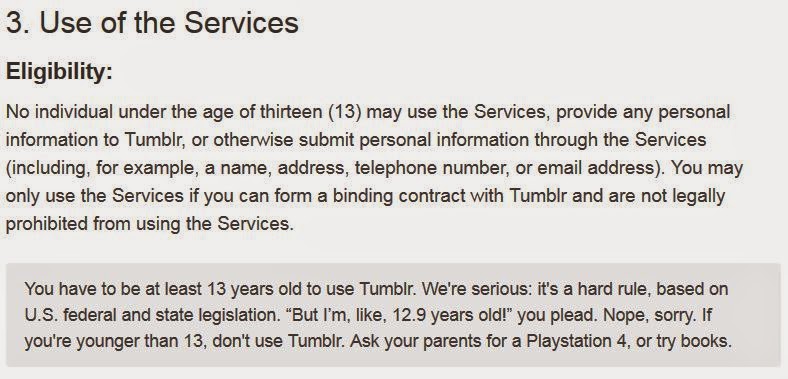
  4. They’re Not Technically Allowed to Have Accounts – If you don’t prohibit Facebook use for your preteen for any other reason, you should consider the fact that allowing them to start an account is tantamount to telling them that it’s okay to lie. Facebook doesn’t allow users younger than 13, so your child will have to falsify her age in order to sign up. Doing so with your permission is effectively sending a message that lying is acceptable behavior if you’re lying to get something you really want.
  5. Reducing Screen Time – Between television, video games and time spent online for homework purposes, kids spend enough of their day planted in front of an electronic screen. Facebook is just another way for your child to while away the hours in sedentary activity, rather than getting outside and being active.
  6. Preserving Academic Performance – When your child is supposed to be online researching homework methods or studying for a big test, his shiny new Facebook account can be a very serious distraction. Kids so young may have difficulty controlling their impulses, and may spend far more time on the social media site than they do actually working.
  7. Protecting Your Computer from Malware – You and your teenagers may have a basic idea of how to avoid malware and spyware sent out by unscrupulous Facebook users, but your tween probably doesn’t. Keeping your child off of social media for a few more years can also be your computer’s saving grace.
  8. Because Kids Lack Adult Judgment – The fact that college students post photographs of binge drinking parties and incriminating status updates at an alarming rate is proof that young people don’t always have the best judgment when it comes to social networking. For a young child, not understanding acceptable Facebook use could lead to them sharing very sensitive personal information that later proves to be dangerous.
  9. Friends Lists Can Be Difficult to Manage – When the friend requests start rolling in, your tween will probably accept each and every one of them because it makes her feel well-liked and cool. That can give some shady characters access to her profile, something she may have trouble understanding when she’s still so young.
  10. Tech-Savvy Tweens Can Block Your Monitoring Efforts – Some preteens may have trouble avoiding malware and managing a friends list, but others will be tech-savvy enough to filter their updates and change security settings that affect what you’re able to see. Even if you think you’re monitoring your child, you may only be seeing a fraction of the things she does online.
If you still think that your preteen is mature and trustworthy enough to have a Facebook account without getting into trouble, the decision is up to you. Be warned, however, that your child could find all of her hard work tossed to the wayside if Facebook administrators discover that she’s maintaining an account before she’s reached the age limit set in the terms of use and decide to delete the account.

Source:  Babysitting Jobs

Saturday, May 11, 2013

Bullying and Cyberbullying: How Technology has Made it Worse

When we were growing up there were bullies.  Nobody liked to be bullied, but it was a fact of life that you had to deal with kids that weren’t very nice.  Now, schools are so anti-bullying that anything that even slightly seems like bullying is taken very seriously.  At least when we were growing up they didn’t have Facebook to upload embarrassing videos to that would ruin a person’s life.

Check out 10 ways technology makes bullying worse.
  1. Facebook: Embarrassing pictures and videos can be uploaded to Facebook in a matter of a few seconds and ruin someone’s life forever.  Kids do not understand the damage that something like that can do to a person.  People have actually committed suicide because of events like these.
  2. Cell phones: Growing up we did not have cell phones.  Kids these days have the ability to take pictures at a moment’s notice and sometimes not in the most appropriate places.  Nude pictures of students in the shower or in the locker room have also caused suicides.
  3. Texting: Kids can bully by texting now.  They can text everyone else at the same time something bad or embarrassing about someone else.  They can also send pictures over their phone to everyone on their contact list.  Bullying like this can make someone’s life miserable.
  4. Flip cameras: These cameras are used to shoot quick videos at close range and can be uploaded to the Internet.  Kids that want to bully just have to take embarrassing videos of a student and share them with everyone.  Or a video can be sent to a parent as well that would get them grounded or in trouble.
  5. You Tube: A lot of good things have happened to people by posting a video on You Tube, but a lot of bad stuff has happened too.  People love to be the first one to dish the dirt on someone else.  They witness a fight they grab their cell phone and upload it to You Tube.  Or they set someone up and post what they think is a funny video to You Tube, but it’s actually very embarrassing.  People don’t think they are bullying when they do this stuff, but they really are.
  6. Gaming systems: Many online gaming systems allow conversations between the players.  Teens have reported that someone pretending to be them said mean things or embarrassing things to another person.  This kind of bullying is hard to stop and hard to track.  It does however cause a lot of problems for today’s teens.
  7. Blogs: There are teens that create blogs that post the latest gossip about people and will say nasty things about people.  Teens feel that they are anonymous and that no one can tell who is doing the bullying, but there are ways to track down who’s doing it and there are some big consequences.  If the bullying leads to a suicide the teen who is behind the bullying can be brought up on charges and sent to jail.  Lesser sentences are losing privileges to use a computer for 2 years.  Try doing your homework without a computer these days.
  8. Chat sites: Other sites online have chat rooms where teens can go and chat with their friends online.  People can go into these chat rooms and make up a user name and start saying bad things about kids in that chat room.  Many times there is a chat room that the students frequent because all their friends go there so when someone bullies in a chat room a lot of that kid’s peer group could be reading it.
  9. E-mail: Bullies steal identities and will sign into an e-mail account and send damaging e-mails pretending to be that teen.  Inappropriate messages to a female teacher or a nasty message to the principal are all things that can really get that child in trouble and they didn’t do anything.  Remind your child to keep passwords absolutely private.
  10. Instant messaging: Bullies will try to send nasty instant messages threatening to do something to a teen when they see them next.  Or tell them that they are going to make sure that they don’t get something they want at school like a part in the play or a solo in choir.  Bullying can take many forms even if it’s just telling someone that they did a terrible job on their audition or they overheard someone important say that they did a terrible job.  Anything like that is going to put undue stress on that child.  Make sure that your child is aware and being safe.
Source:  Full Time Nanny

Join me on Facebook  and follow me on Twitter for more information and educational articles on parenting today’s teenagers.

Wednesday, August 24, 2011

Back to School: Cyberbullying can start with cyber-gossip

We are heading into a new school year and more and more we are hearing of the digitial bullying, cyberbullying and sexting.

Gossip can be mean.  Bullies can build on gossip and create stories and ugliness about a student that can go viral in seconds.

In today’s internet age, gossip can be spread at lightning speed to hundreds, thousands or millions of people. The new “party line” is cyberspace where millions of people can all access the same information instantaneously. Just get on your computer, iphone, ipad or blackberry and let the rumors fly.

Here are 10 ways people (including kids) can us new technology to rapidly spread gossip in 2011 (in no particular order).
  1. Email – One way to spread a rumor quickly is to send an email to all the contacts in your account, except the one the rumor is about, of course. Then they can forward it to all their contacts and on it goes from there. You better hope they delete your name when they forward it, or you might get blamed for starting it.
  2. Facebook – Post your gossip on facebook and all your friends will know about it instantly. If they “like” it, comment on it or repost it, all their friends will see it too. Pretty soon you’ve got the rumor spreading quickly.
  3. Myspace – Another social networking sight great for gossiping is Myspace. Post that rumor on a bulletin or your group’s message board and watch it spread like wildfire.
  4. Twitter – You can tweet a rumor and all your Twitter followers will know your juicy gossip in 140 characters or less. They can re-tweet it to all their followers and in no time the gossip is flying through cyberspace.
  5. Blogs – Some people love to spread gossip through their blogs. Even unintentional rumors are sometimes started by bloggers.
  6. Website – You won’t believe some of the stuff you find posted on websites, and you shouldn’t either. There are whole websites put on the web just for the purpose of spreading misinformation. Always remember to check their sources.
  7. YouTube – If you have a registered YouTube account you can upload an unlimited number of videos. If you have a video of someone doing something dubious, this is the best way to spread that rumor to millions of viewers.
  8. Comments – A great way to anonymously spread gossip is to post a comment on a website, blog or YouTube video. You can log in under an assumed username and say all kinds of outrageous things without revealing your identity.
  9. Chat rooms – Another anonymous way to spread rumors are internet chat rooms. You can start with an offhand comment and embellish it as you go.
  10. Texting – If you see or hear something juicy to gossip about, you can send a text message to all your friends. That will get the thumbs flying as the rumor gets spread.
The new social media available has taken gossiping to a whole new level. Unfortunately this can lead to cyber bullying and be very traumatizing to vulnerable people. Celebrities and politicians are easy targets for internet gossip and careers are ruined by unintended tweets. 

Everyone should use the new technology responsibly, but many abuse their newfound privileges. Be careful what you put out into cyberspace or it may come back to haunt you and always check the sources of what you see or read. Chances are it’s just more cyber-gossip.

Source:  Internet Providers

Be an educated parent, you will have safer teens.


Join me on Facebook  and follow me on Twitter for more information and educational articles on parenting today's teenagers.

Thursday, October 1, 2009

Sue Scheff: Online Safety - Online Fool - Be Safe while your surf!


It is October, which starts National Cyber Safety Awareness Month. Take the time to be an educated parent - you will have a safer child while they surf online!

Online Fools
“With 70-thousand videos a day being uploaded to YouTube, it’s kind of hard to stand out. So the kids find they have to keep pushing the envelope - to do something more outrageous - to be able to get attention from that.”

– Steve Harmon, Chair, Division of Learning Technologies, Georgia State University

A new study finds that what kids do online and what parents think they’re doing are not always the same. One example: 29 percent of parents say their kids make fun of teachers online, but almost twice that many kids say they complain and ridicule teachers.

For instance, teacher baiting: students pick a fight with a teacher and record it on their cell phones. The video is then posted to the Internet.

In one such video, a clearly enraged male teacher screams, “When I tell you to stop talking, that means stop whistling and stop acting like an idiot!!”

Kids today are using their cell phones to record all kinds of pranks.

“I remember one time in the wrestling room actually, doing a little exercise that was kind of weird- and somebody actually videotaped it and put it on YouTube. So yeah, that was kind of embarrassing,” says Nathaniel, 18.

On sites like You Tube and eBaum’s World there are videos of heinous wrecks, intentional and otherwise. One boy shoots himself in the face with a paintball gun. Another wipes out after attempting a huge jump on his bike.

Underage drinking is also a popular theme. “I’m going to chug a pint of Jack Daniels out of this here beer bong,” announces a boy who’s made a home video from his college dorm room.

Many kids will try anything to become famous on video-sharing websites.

“With 70-thousand videos a day being uploaded to YouTube, it’s kind of hard to stand out,” says Steve Harmon, the Chair of the Division of Learning Technologies at Georgia State University. “So the kids find they have to keep pushing the envelope - to do something more outrageous - to be able to get attention from that.”

He says parents should remind kids that, besides their friends, teachers, employers and college admissions staff might watch their videos.

“Kids don’t have a good sense that what they put on YouTube is public,” says Harmon. “They feel like they are alone in their room with a computer - and so whatever they upload is private.”

And for kids who think they can post embarrassing video of others and remain anonymous?

“It’s really pretty easy to track down who loaded something up to YouTube if you have any sort of sophisticated search mechanism,” explains Harmon, “And even worse than that, though - kids like to talk about what other kids are doing. So in a local setting, even though the kid thinks what they’ve put online is known only to them and their closest friends, all the other kids know about it - and they are going to tell.”

Tips for Parents
The vast majority of teens spend time online. According to a recent Harris Interactive Poll, 72 percent of teens have an online social-networking profile, 73 percent use cell phones and 91 percent have an email address. But what information are they sharing? Consider these statistics:

■59 percent say posting personal information or photos on public blogs or social-networking sites is “somewhat unsafe” or “very unsafe.”
■7 percent say posting personal information is “very safe.”
■34 percent say it’s “somewhat safe.”
■62 percent say they post photos of themselves.
■45 percent post the name of their school.
■4 percent post their address.
■14 percent post their cell phone number.
Experts say make sure your kids never use their real name or address when posting any material on the Internet. Avoid posting information that would allow a stranger to locate your child. This includes the name of a school or sports team. Also, avoid revealing the city where you live.

Before you buy a video camera, web cam or video phone for your child, take their level of maturity into account. Some children may be too immature to understand the risks involved in posting videos or pictures online. Steve Harmon of Georgia State University also advises it would be difficult to search the web to figure out if your child is posting videos online. There is simply too much content on video-sharing websites. It’s much more productive to talk to your child. Explain the potential downside of posting embarrassing videos online and make sure your kids understand that they lose exclusive control over videos once they are posted on the Internet.

References
■Federal Bureau of Investigation (Innocent Images National Initiative)
■Georgia State University
■Harris Interactive Poll
■i-SAFE America, Internet safety education group
■Wired Safety, an online safety, education and help group

Tuesday, September 29, 2009

Sue Scheff: Help STOMP OUT BULLYING - Blue Shirt Day 2009


Celebrities STOMP Out Bullying With Love Our Children USA


NYC Mayor Michael Bloomberg proclaims October 5th BLUE SHIRT DAY


NEW YORK September 28 2009: Love Our Children USA announced that NYC Mayor Michael Bloomberg is proclaiming October 5th BLUE SHIRT DAY to signify the importance of National Bullying Prevention Awareness Week, October 4th – 10th.

Love Our Children USA created National Blue Shirt Day on Monday, October 5th, where thousands of kids and adults will wear blue shirts as they make their way to school or to the office as a grassroots national movement to STOMP Out Bullying.

The organization launched the STOMP Out Bullying Campaign in October, 2008 and its new dedicated Web Site this past Monday. STOMP Out Bullying focuses its efforts to reduce Bullying and Cyberbullying, decrease school absenteeism and truancy, educate against homophobia and racism and deter violence in schools, playgrounds and communities across the country. To date over 53,000 have committed to STOMP Out Bullying on the site.

It’s not just our politicians who support STOMP Out Bullying an initiative of Love Our Children USA, but celebrities are out in full force to help.

Teen Celebrities Demi Lovato, JoJo and the latest children’s sensation The Oogieloves participate in the public service campaign which includes TV spots, videos, posters, brochures and wristbands. Additional celebrities such as Brittany Snow, Naturally 7 and others are slated to join the ongoing campaign created by the Geppetto Group.

In order to raise funds for bullying and cyberbullying prevention, education and peer mentoring in schools, Love Our Children USA is holding its Second Annual Celebrity STOMP Out Bullying Auction on CharityFolks from October 5th –16th.

This year’s celebrity contributors include: Elton John, Billy Joel, Bette Midler, Ellen Degeneres, Phil Collins, Demi Lovato, Kelly Clarkson, Daughtry, Bryan Adams, Metallica, Guster, Dancing With The Stars, American Idol, So You Think You Can Dance, Bye Bye Birdie, Rock Of Ages, the NJ Nets and more.

“Kids who are intimidated, threatened, or harmed by bullies often experience low self-esteem and depression, whereas those doing the bullying may go on to engage in more serious antisocial behaviors. Some kids are so traumatized by being bullied, that they contemplate suicide. Bullies often have been the victims of bullying or other mistreatment themselves” said Ross Ellis, Love Our Children USA Founder and Chief Executive Officer. This campaign’s key purpose is to educate those kids who are being bullied and those who are bullying, that there are choices for them to get help.

Bullying can be so painful and clearly has played a role in school shootings across the country. While boys are more physical, girls use weapons, exclusion, slander, rumors and gossip.

And cyberbullying is on the rise. This social online cruelty is used in the forms of e-mail, cell phone; pager text messages, instant messaging, defamatory personal Web sites, and defamatory online personal polling Web sites, deliberate, repeated, and hostile behavior, and is used by an individual or group -- intended to harm others – especially amongst our youth. While most kids use the Internet for friendly interactions, more and more kids are using these communication tools to antagonize, terrorize and intimidate others.

Add that to the hazing going on in high schools and the kids who bring guns to school and our kids are in even more danger of emotional and physical harm.

Bullying Statistics
• 1 out of 4 kids is Bullied.

• 1 out of 5 kids admits to being a bully, or doing some "Bullying."

• 282,000 students are physically attacked in secondary schools each month.

• More youth violence occurs on school grounds as opposed to on the way to school.

• 1/3 of students surveyed said they heard another student threaten to kill someone.

• As many as 160,000 students may stay home on any given day because they're afraid of their bullies due to the pain of bullying.


Cyberbullying Statistics

• 42% of kids have been bullied while online. 1 in 4 have had it happen more than once.

• 35% of kids have been threatened online. Nearly 1 in 5 have had it happen more than once.

• 21% of kids have received mean or threatening e-mail or other messages. • 58% of kids admit someone has said mean or hurtful things to them online.


Hazing Statistics

• 1.5 million high school students are hazed each year

• 91% of all H.S. students belong to at least one group, and half of them, 48% report being subjected to hazing activities.

• 43% were subjected to humiliating activities and 30% performed potentially illegal acts as part of their initiation

All of this has everyone worried. Not just the kids on its receiving end, but the parents, teachers and others who may not understand how extreme bullying can get. Love Our Children USA is working aggressively to prevent these issues and to help the kids and teens affected by it.
Ellis said “STOMP Out Bullying brings awareness and educates kids, parents and schools about the issue. It offers hope for every kid who experiences the harmful effects of bullying and teaches parents to keep open communication with their children and to look for signs. It also educates school administrators across the country, who have swept this issue under the rug for too long.”

She also added, “Bullying is a form of child abuse and bullies are very likely to grow up as adults who abuse children. By educating our children, we can stop the bullying BEFORE it ever starts. We are grateful to the entertainment industry and with their help we can keep kids safe across the country.”More information about bullying and how to help your children and students can be found at http://www.loveourchildrenusa.org/ and http://www.stompoutbullying.org/

About Love Our Children USA

Love Our Children USA is the national nonprofit leader that honors, respects and protects children. Its mission is to break the cycle of violence against children. Love Our Children USA has become ‘the go-to’ prevention organization for all forms of violence and neglect against children in the U.S. Working to eliminate behaviors that keep children from reaching their potential, it redefines parenting and creates kid success by promoting prevention strategies and positive changes in parenting and family attitudes and behaviors through public education. Empowering and supporting children, teens, parents and families through information, resources, advocacy, and online youth mentoring. Its message is positive ...one of prevention, empowerment and hope. Since 1999, Love Our Children USA has paved the way in the prevention of violence and neglect against children … keeping children safe and strengthening families.

###
Contact: Media Relations

Love Our Children USA

1.888.347.KIDS (5437) / 212.629.2099

Wednesday, September 2, 2009

Sue Scheff: School Starts and so does bullying

LOVE OUR CHILDREN USA’s Campaign to STOMP Out Bullying

NEW YORK, August 24, 2009 Love Our Children USA announced today that bullying and teasing is at the top of kids’ issues at schools, and with school set to open in soon, parents, teachers and school administrators must take caution and sensitivity in handling these issues.
Childhood should be a time filled with wonder and joy, but the reality for many kids and teens is often much different. They're the victims of bullying and cyber-bullying at school or on neighborhood playgrounds.

October 4 – 10th is National Bullying Prevention Awareness Week. To observe the week, Love Our Children USA will speak at various schools about bullying, cyberbullying and preventing it. To signify the importance of the week, Love Our Children USA created National Blue Shirt Day. Specifically on Monday, October 5th, the organization is asking kids, teens and adults to participate in national BLUE SHIRT DAY by wearing a blue shirt to STOMP Out Bullying.
They chose blue because in many diverse cultures blue brings peace. The color conveys importance and confidence.

On Monday, October 5th, Americans across the country will wear blue shirts as they make their way to school or to the office as a grassroots national campaign to STOMP Out Bullying.
Participation is expected from major cities and proclamations from leading politicians and civic leaders. This day will be supported with a national media campaign. Last October, the organization created STOMP Out Bullying. To date over 48,000 people have committed to STOMP Out Bullying.

Kids who are intimidated, threatened, or harmed by bullies often experience low self-esteem and depression, whereas those doing the bullying may go on to engage in more serious antisocial behaviors. Some kids are so traumatized by being bullied, that they contemplate suicide. Bullies often have been the victims of bullying or other mistreatment themselves.
Ross Ellis, Love Our Children USA Founder and Chief Executive Officer remembers only too well what it is like to be bullied. Today it’s a regular occurrence in schools starting as early as kindergarten. It’s not a right of passage as some may think. It’s a crisis. And many kids have committed suicide because the taunting was so torturous.

Bullying can be so painful and clearly has played a role in recent school shootings across the country. While boys are more physical, girls use weapons, exclusion, slander, rumors and gossip. And beware of cyberbullying which is on the rise. This social online cruelty is used in the forms of e-mail, cell phone; pager text messages, instant messaging, defamatory personal Web sites, and defamatory online personal polling Web sites, deliberate, repeated, and hostile behavior, and is used by an individual or group -- intended to harm others – especially amongst our youth. While most kids use the Internet for friendly interactions, more and more kids are using these communication tools to antagonize, terrorize and intimidate others.

Ellis said “parents must keep open communication with their children. Look for signs. And school administrators can no longer sweep the issue under the rug. Students should be educated about the harmful effects of bullying. Many schools are sweeping the issue under the rug. Every school should declare No Bullying Policy and enforce it.”

Ross Ellis suggests that schools set up a web site where kids can anonymously report the person who is bullying them. That way victims can feel safe in making the report and the school can deal with the bully.

Recent Statistics Show:

• 1 out of 4 kids is Bullied.

• 1 out of 5 kids admits to being a bully, or doing some "Bullying."

• 8% of students miss 1 day of class per month for fear of Bullies.

• 43% fear harassment in the bathroom at school.

• 100,000 students carry a gun to school.

• 28% of youths who carry weapons have witnessed violence at home.

• A poll of teens ages 12-17 proved that they think violence increased at their schools.

• 282,000 students are physically attacked in secondary schools each month.

• More youth violence occurs on school grounds as opposed to on the way to school.

• 80% of the time, an argument with a bully will end up in a physical fight.

• 1/3 of students surveyed said they heard another student threaten to kill someone.

• 1 out of 5 teens knows someone who brings a gun to school.

• 2 out of 3 say they know how to make a bomb, or know where to get the information to do it.

• Almost half of all students say they know another student who's capable of murder.

• Playground statistics - Every 7 minutes a child is bullied. Adult intervention -4% Peer intervention - 11%. No intervention - 85%.

Ellis said “helping your children cope with either being a bully or being a victim often requires outside assistance, such as from your child's school or the community. School is the most likely place for bullying to occur, so discuss your concerns with your child's teachers and counselor and ask what they can do to help. School personnel can be influential in helping a child modify his behavior. Take advantage of any psychological counseling services that may be offered at your child's school or in your community.”

Bullying is a form of child abuse and bullies are very likely to grow up as an adult who abuses children.More information about bullying and how to help your children and students can be found athttp://www.stompoutbullying.org/

Since 1999, Love Our Children USA has paved the way as the national nonprofit leader that honors, respects and protects children. Its mission is to break the cycle of violence against children. Love Our Children USA has become ‘the go-to’ prevention organization for all forms of violence and neglect against children in the U.S. It works to eliminate behaviors that keep children from reaching their potential. It redefines parenting and creates kid success by promoting prevention strategies and positive changes in parenting and family attitudes and behaviors through public education. It works to empower and support children, teens, parents and families through information, resources, advocacy, and online youth mentoring. Its goal is to keep children safe and strengthen families -- Its message is positive ... one of prevention and hope.

###
Contact: Media Relations


1.888.347.KIDS (5437) / 212.629.2099

Monday, July 20, 2009

Sue Scheff: The BIG Book of Parenting Solutions - Coming soon!


As a Parent Advocate, I am a huge fan and friend of Michele Borba! I am very excited that her 23rd book will be released in September 2009.
Her first review is in - and it is outstanding!
The Big Book of Parenting Solutions: 101 Answers to Your Everyday Challenges and Wildest Worries
Publishers Weekly

Borba, author and Today Show regular, employs a cookbooklike approach in her latest volume: rather than read through the entire tome, parents can flip to topics pertinent to their family. Borba opens with a friendly overview, noting that contemporary parents feel more stressed and find their roles increasingly difficult (June Cleaver, she points out, didn’t have to deal with cyberbullying or Facebook). With characteristic wit, Borba identifies the “seven deadly parenting styles,” including helicopter, buddy, incubator, bandage, paranoid, accessory parenting (judging themselves by their kids’ accolades) and secondary parenting (relinquishing power to such outsiders as marketers or the media).
In nine sections on family, behavior, character, emotions, social scene, school, special needs, day-to-day and electronics, the author urges readers to roll up their sleeves and get back to basic, instinctual parenting. As she tackles 101 issues ranging from sibling rivalry, lying and peer pressure to cell-phone use and TV addiction, Borba helps readers identify the reason underlying the behavior or problem, and work with 10 essential principles of change. With her no-nonsense yet compassionate voice, Borba once again delivers an indispensable resource for parents of toddlers to 13-year-olds. (Sept.) Publishers Weekly

The Big Book of Parenting Solutions is available now for advance orders — on online stores or at Amazon.
Follow Michele Borba on Twitter @MicheleBorba

Tuesday, June 9, 2009

Sue Scheff: Teaching Children About Online Risks


Wiredsafety.org offers a tremendous amount of information to help you help your children to stay safe online. Here is one of their latest articles by Parry Aftab, a leading voice in educating parents and kids that surf on the net!


By Parry Aftab , WiredSafety.org
How can I teach my children about risks online if I have never used the Internet?
For some reason, the moment anyone mentions the word “computer” or the “Internet,” everyone panics. I don’t know why. All the normal advice about using common sense to stay safe applies exactly the same in cyberspace. Use the same lectures your parents gave you — the same ones their parents gave them. We can use the basic rules and just translate them into cybertalk. Let me show you how easy it is.

It’s The Same Old Thing-in a New and Improved Package

Don’t talk to or accept anything from strangers. (See? Familiar territory)

I need to meet your friends.
Come straight home.
Don’t say nasty things about other people.
Don’t take things that aren’t yours.
Be polite to and respectful of others.
Don’t tell people personal things about yourself.
Don’t tell people personal things about your family.
I told you that you already know this stuff but just needed someone to translate it into cyberspace terms. Here’s the translation:

Don’t talk to or accept anything from strangers.
Who’s a stranger online? Everyone is! Yet we talk online in chat rooms and discussion groups all the time. It’s one of the most entertaining things we can do online. So how does this advice work online?
Teach your children that anyone they don’t know offline is a stranger. You can chat with them, but never tell them anything that you would tell a friend. Remember, chat with them-but don’t confide in them. Talk about movies, or music, or sports-nothing personal. A teenager put it best; she said, “Remember that the people you chat with online are not your friends, they are just people you chat with.”

But this is the hardest thing for our children to remember. As I told you before, one of the biggest problems with cyberpredators is that they function in your home. Our kids feel safe with us seated nearby. Their stranger danger reflexes are not engaged.

There is a sense of intimacy online that cyberpredators count on. They need to convince your children that they are not strangers at all. They hope to convince them that the standard rules don’t apply. You need to remind your children that these people are strangers and that the standard rules always apply.
I need to meet your friends.

We all heard this from our parents, and have said this to our own children. You’d never let your children spend time with real-life friends you hadn’t met, would you? Why should it be any different in cyberspace? You should get to know the people they are frequently talking to online: who is influencing them, is the friendship appropriate, and are they the kind of children you want your child associated with. While you don’t have to know everyone they run into in cyberspace, you should find out whom they are chatting with regularly.

There are some special reasons to find out whom they are friends with online that don’t exist in real-life friendships. In real life our kids can spot the adults. In cyberspace they can’t. Most of the predators who are out to meet your child offline and who have something other than friendship on their minds- pretend to be children to get past their “stranger danger” radar screen.

Sometimes parents can tell an adult online better than a child can, and might be able to spot an adult who is posing as a teenager or young child to fool your kids.
Come straight home.

When I was young, I was famous for wandering around after school. Friends always invited me home with them, or something interesting was going on. My mother would panic and I would get the same lecture day after day.

Wandering aimlessly online isn’t any different from my wandering around after school. My mother needed to know I was safe, and that I was doing something productive, like homework. Allowing your children to spend unlimited time online, surfing aimlessly, is asking for trouble.
Make sure there’s a reason they’re surfing. If they are just surfing randomly, set a time limit. My advice is to limit surfing just for fun (not schoolwork) to under 1-1/2 hours per day You want them to come home after they’re done, to human interaction and family activities (and homework).

Don’t say nasty things about other people.

Saying nasty things about other people in cyberspace is called “flaming.” It often violates the “terms of service” of your online service provider and will certainly get a reaction from other people online. Flaming matches can be long and extended battles, moving from a chat room or discussion group to e-mail quickly. If your child feels that someone is flaming them, they should tell you and the sysop (system operator, pronounced “sis-op”) or moderator in charge right away.

Don’t take things that aren’t yours.

Kids are surfing and doing their homework. They are surfing and building their own Web sites. While surfing, they often “borrow” things that others have written, and photos and graphics belonging to someone else. For the most part, they are breaking the law. They are stealing someone else’s property.

Many people think that attribution (giving credit to the source) is enough when you copy something. But they are wrong. There is something called “fair use,” which I’ve mentioned elsewhere in this book. But using a graphic at your site, or using a whole poem or story, isn’t fair use. While it’s unlikely that anyone will sue your children for copyright infringement based on a term paper or school report, more and more people are being targeted by entertainment industry members for Web sites and public postings that violate their intellectual property rights.

Be polite and respectful of others.

There are rules for proper behavior everywhere. The online world is no exception. Many online areas have their own rules of correct behavior- sometimes called channel rules or codes of conduct. Learn the rules first.

Chat rooms each have their own rules, too. Don’t barge in and start talking until you’ve had a chance to see what everyone’s discussing. Read the discussion thread for a while, instead of asking everyone what they were talking about. And be respectful of others and their opinions.
Don’t post the same message over and over. Other people’s time is valuable, and they don’t want to have to weed through the same messages you posted in tons of places. If someone helps you, say “thank you.” Courtesy goes a long way in cyberspace. It all comes down to respecting others.

Don’t tell people personal things about yourself.

And don’t tell personal things about your family. You never really know whom you’re talking to. And even if you think you know whom you are talking to, there could be strangers lurking and reading without letting you know that they are there. It’s like writing your personal diary on a postcard.

With children especially, sharing personal information puts them at risk. Make sure your children understand what you consider personal information, and agree to keep it confidential online and everywhere else. Practice asking them questions about themselves they may encounter in a chat room. We teach our children to be polite, not to ignore people or tell them something is none of their business. We also tell them not to talk to strangers. This sometimes creates confusion, and confusion puts kids at risk. Whenever they don’t understand the clear rules, they may wing it. When it comes to sharing personal information online, you never want your kids to wing it.

Remember that the Internet is more like the telephone than it is like the television. Use the same kind of safety measures you would use if your children were talking on the phone to a stranger. If in doubt, think - phone call!

Parry Aftab is a noted online safety and privacy expert and Executive Director of WiredSafety.org

Monday, June 8, 2009

Sue Scheff: ReputationDefender Helping to Stop Cyberbullying


How to Stop Cyber Bullying


Cyber Bullying is an act of aggression exercised online and is typically experienced by web-savvy teens and pre-teens. Cyber bullying, which can take place through social networking sites, forums, emails, instant messaging conversations, and blogs, are aimed at causing emotional harm on the part of the victim. This harm often takes the form of embarrassment, an attack on the victim’s self esteem, or promoting a sense of isolation in the victim through exclusion from social circles.


Cyber bullying, simply put, is easier to accomplish than offline bullying. While an aggressor bullying at school is easily identified, so-called “e-bullies” can hide behind the monitors of their personal computers, protecting the aggressor from the consequences of their tactics.


Human behavior among young people hasn’t changed, but technology and the scope of ramifications has increased dramatically. As the PEW Internet & American Life Project observes, “the impulses behind [cyber bullying] are the same [as those for offline bullying], but the effect is magnified.”


There is no easy way to stop cyber bullying, but there are ways to diminish its effects on your children. Below are a few tips parents and adults can use to help young people understand the potential challenges they face online.


Monitor Your Child’s Mood


Pay attention to your child’s overall mood. Do they seem quiet after spending time online? Does their behavior, aggression, or frustration levels change after they spend time on the Internet?
Teens and children are unlikely to outwardly admit if they are being bullied, largely due to feelings of inferiority, low-self esteem, or embarrassment at social exclusion. Pay attention to changes in your child’s behavior and ask them if they or anyone they know has had mean or hurtful things written about them online.


Talk to Your Kids About Privacy


Engage your child in an honest discussion on the contradiction of terms in the phrase: “privacy on the Internet.” According to the PEW Internet & American Life Project, 15% of teens said that someone they know had forwarded or otherwise posted online communications that they, the teens “assumed was private.” Young people often “copy-paste” instant message conversations or email messages meant to be private, and share them publicly for purposes of embarrassment, social exclusion, or simply malice. There is an easy solution to this type of cyber bullying, widely considered to be the most common form of online harassment: make sure your kids know that nothing published, typed, posted, or shared online is private. Encourage your kids to refrain from communicating ideas online that they would not want their friends, family, or peers to see.


Familiarize Yourself with Your Child’s Online Habits


Make sure you know what it is exactly that your child does when he or she is online. Is your child active on social networking sites like Facebook or MySpace? Studies have shown that young people who use social networking sites are more prone to have experience with cyber bullying, either as an aggressor, as a victim, or even both.


As logic would suggest, the more time your child spends online, particularly if they regularly share their thoughts and ideas on the World Wide Web, the more susceptible he or she is to cyber bullying.


Talk to Your Child About Community Responsibility


According to the PEW Internet & American Life Project’s data on online teens, young people who regularly create content online through blogs, web sites, or photo upload sites are more likely than those teens who do not contribute to the online community to report cyberbullying and online harassment. This data demonstrates that teens that are active in creating a positive community in which they can express themselves are also eager to police it, and thus protecting their community from damaging harassment and hurtful aggression.


Talk to your kids about the fact that their online community can be a healthy place to express themselves, if certain rules are adhered to. The more active your kids are on reporting cyber bullying and online harassment, the easier it will be to reduce its strength.


For more information on keeping your kids safe online, along with a guide to approaching online crime and privacy issues, visit http://www.reputationdefender.com/.

Tuesday, January 27, 2009

Sue Scheff: Parenting Teens Online


This is a very interesting article that will make parents think when safety trumps privacy - do you suspect your teen or tween is posting disturbing photos or communicating with questionable others? As a parent is is our responsibility to help keep our kids safe online. Having open lines of communication can help tremendously and helping them to understand the consequences of unflattering posts is critical.


We will spy on your teen’s website for you


More and more worried parents are resorting to using data-tracking services to keep up with what their teenagers are doing on the internet, writes Siobhan Cronin


Irish parents are the best in Europe at monitoring their kids on the internet. However, their kids are the least likely of all European children to turn to mum or dad for advice when something happens to them online.


These were the results of a recent survey by the European Commission into internet supervision by parents.


While our parents might be good at keeping tabs on their kids, cyber bullying is still on the increase, sometimes with tragic results.


Cork girl Leanne Wolfe’s horrific tales of bullying were revealed in her diary, days after her death by suicide last year.


Her sister later told of the nasty text messages and vicious internet entries which led Leanne to take her own life.


It is real-life stories like Leanne’s which have led thousands of American parents — and now a few hundred Irish ones — to resort to using a service that will keep tabs on what their children are reading, and uploading, on the web.


But it’s not just bullying that worries parents. Unfettered access to the web for our kids has also meant open access to them from anyone who is ‘roaming’ around in cyberspace.
This has led some parents to take the ultimate action — spying on their own children.


The founder of Reputation Defender, Michael Fertik, has been called to justify his online service: “Would you like to know your 16-year-old daughter is putting pictures of herself wearing only a bra on the web? Yes. People are not born with good judgment and it rarely develops by 15,” he says.


But another defence of Fertik’s service is, he claims, the prevalence of web bullying.
“When we were at school, we wrote mean notes to each other but you threw the piece of paper out the next day — now it’s on the internet wall forever,” he says.


Fertik’s solution, MyChild, scours the internet for all references to your child — by name, photography, screen name, or social network profiles.


For about €9.95 per month, the ‘online spy’ will send you a report of what your child has posted on the worldwide web.


Its approach is unashamedly tapping into parents’ paranoia: “Worried about bullies? Concerned that your teens’ friends and peers are posting inappropriate materials online,” the site asks.
Fertik, who says he has a “few hundred” Irish customers already, says his company grew out of a need to protect online privacy.


“Young people do the same things that they always did,” he points out. But now it’s on a wall on a web page. The internet is like a tattoo parlour.”


The firm, which started in his apartment in Kentucky, and now employs 65 staff servicing 35 countries, brought in revenues of $5.5m (€4.3m) this year.


He insists there is no “hacking” involved. His staff go through legitimate channels, but are simply better trained in the ways of teenage internet usage than most parents.


“We always encourage the parent to get the password — we don’t want to be spying on kids,” he adds.


One of the things that often causes concern among parents is the practice of their own lives being discussed on a website. “These things have always been discussed by children, but now it’s up there for everyone to see. Things like: ‘My parents are fighting’ or ‘I think they are going to get a divorce’.”


In pre-web days, we all had very intimate conversations with our peers about our home lives — either in person, or on the phone. Now it’s all on the internet, Fertik notes.


Once the offending material is identified, Reputation Defender can delete it, on the instructions of the parent, whether it involves comments, photographs or videos posted on social-networking sites, or on chat rooms or forums.


The service has become so popular that the company now offers packages to adults to manage search engine results, ‘reputation’ for career purposes, and general ‘privacy’ — so that you can stop sites selling your personal information to others.


But that very privacy is the reason that children’s rights organisations around the world have come out strongly against the practice.


Michael McLoughlin of Youthwork Ireland, which provides support and youth services for over 40,000 young people, says that while there may be some justification of the service for younger teens, this could become somewhat blurred when dealing with children of 16 or 17 years of age.
“At that stage in their lives they should really know what they are doing themselves,” he says. Youthwork Ireland is currently preparing guidelines for youth workers dealing with online bullying. “We try to tool them up on social networking, and try to improve the safety aspects.”
The ISPCC agrees that children need to be made aware of the risks of online networking. However, National Childline Manager Margie Roe says that while parents need to respect privacy and maintain trust, they also need to police their children if they think they might be in any danger.


“If a parent is concerned about their child, they have a right to protect them,” she says.
“They need to be careful they don’t damage the trust between them and their child, but if they feel their behaviour is in anyway unusual, or their child is disappearing a lot, then it could be justified.”


This would be particularly relevant if parents are concerned their children might be making plans to hook up with people they have only met online, says Margie.


Michael Fertik is adamant that he is not doing anything ethically wrong.


“If a kid is 18 or older, we won’t do it. Parents who are signing up for this feel they don’t know how to keep up with their kids and they don’t understand Facebook or Bebo.”


He says the children themselves have mastered the art of ‘multiple’ personalities, in order to make discovery of their sites more difficult, but Reputation Defender is on their case.


However, even Fertik’s own ’solution’ can be subject to unsavoury interference. The system flags a query when the last name of the parent does not match the child’s, prompting further requests from the applicant, before they are given information on the child’s use of the web.
Fertik’s attitude appears to be that online surveillance is now a necessary evil in our modern world.


“There is no medical privacy for kids, no legal privacy. We are not suggesting they shouldn’t be allowed use the internet, but it’s like driving a car — you want to make sure they know how to drive first.


“We are not spying on someone else’s kid. It’s a new day, the internet brings new threats, and we need new armour.”
- Siobhan Cronin

Thursday, September 25, 2008

Sue Scheff: 10 Types of Teen Internet Users

For all parents and others that work with today’s teens and tweens - OnTeensToday is a fantastic way to find out what our kids are thinking today! Vanessa Van Petten is not only an author, she shares her own teen experiences to help us today. Visit www.onteenstoday.com for so much more!

From OnTeensToday:

I have noticed that there is a huge spectrum of teens online. There are literally thousands of articles that have been written in the past four years about teens online (I have written some of them!) but they refer to teens online all the same. This is simply not true, there are many different kinds of ‘users.’

Teen Internet User 1: Centers

These are the heaviest users. They live and breathe online. They sneak internet in the middle of the night and are on every social network imaginable. They also want all the latest trends and new gadgets. Taking away their phones or computers is the worse possible punishment. They are the ultimate techies and love to write their own Java and HTML.

Teen Internet User 2: Networkers

These users do not visit anything but the social networks. They do not care to discover new sites or learn programming. All they want to do is chat, share and network with friends. They are the first to discover any changes on MySpace and have started 36+ groups on Facebook.

Teen Internet User 3: Communicator

These teens do visit social networking sites occasionally but only as a means of communicating. They live on IM. Video chat, IM and emails are where they spend the most time.

Teen Internet User 4: Seeker

These teens tend not to be as social and like to discover online. Unlike the Centers, when they discover something new they do not spread it around to all of their friends (maybe a select few), but they like to find new websites and participate in more of the underground internet. They are the tech insulars and only want websites that are grassroots and authentic.

Teen Internet User 5: Listener

Some teens seem to use the Internet exclusively to find, follow and research music and new bands. They are usually addicted to MySpace and cruise the web with their earphones in.

Teen Internet User 6: Schooler

These teens have little interest in the Internet besides what is necessary for school. If they chat it is not much, their friend set-up their Facebook profile for them and they are not overly impressed with anything online except maybe the occasional YouTube video.

Teen Internet User 7: Gamer

Gamers, quite obviously are avid Internet players. They play World of Warcraft until 3am (or they would if you would let them) love games on miniclip.com and addictinggames.com. They asked for a joystick for Christmas.

Teen Internet User 8: Watcher

Some teens love to watch webisodes, YouTube surf or TV shows online. They get all of their entertainment through your broadband cable and often reject traditional TV.

Teen Internet User 9: Expresser

These teens keep online diaries, write poetry for ezines and might even have their own blog. They love posting comments on other blogs and writing articles to submit for larger online publications. The Internet is their voice.

Teen Internet User 10: Informer

These teens use the Internet to stay current. They read newspapers, comment in political forums and have impressive RSS feeds of lots of online resources.
Yes, teens can be a combination of a few of these, or dabble in a little bit of gaming but are really Networkers (or they game to network via World of Warcraft chatting.) What kind of teen do you have?

Friday, August 8, 2008

The Dirt E-Secrets of an Internet Kid


“Get Out Of My Facebook!”


A Translation For Parents: Instant Kids Growing Up in an Online World An Ebook by Vanessa Van PettenYou’re About to Learn Internet SecretsThat Most Adults Will Never Know

Sunday, July 20, 2008

(Sue Scheff) National Crime Prevention Council - Impact of Cyberbullying


Victims of cyberbullying may experience many of the same effects as children who are bullied in person, such as a drop in grades, low self-esteem, a change in interests or depression. However, cyberbullying can seem more extreme to its victims because of several factors:

Occurs in children’s home. Being bullied at home can take away the place children feel most safe.

Can be harsher. Often kids say things online that they wouldn’t say in person, mainly because they can’t see the other person’s reaction.

Far reaching. Kids can send e-mails making fun of someone to their entire class or school with a few clicks, or post them on a Web site for the whole world to see.

Anonymity. Cyberbullies often hide behind screen names and e-mail addresses that don’t identify who they are. Not knowing who is responsible for bullying messages can add to a victim’s insecurity.

May seem inescapable. It may seem easy to get away from a cyberbully by going offline, but for some kids not going online takes away a major place to socialize.

Source: National Crime Prevention Council.

Tuesday, July 1, 2008

Don't Be Cyber Bullied


Cyber Bullying is social terror by technology … and it’s on the rise.

When a kid of any age, up to 18 is threatened, humiliated, harassed, or humiliated via use of technology — this is Cyber Bullying. It’s harmful and it’s dangerous!

This social online terror is used through e-mail, cell phones, pager text messages, instant messaging, Web sites, online personal polling Web sites. It is done by kids deliberately and repeatedly and is used by an individual or group with the intention of harming other kids and teens.

It’s cool to use technology to talk to your friends and make new ones. While most kids use the Internet responsibly, others are using all of this technology to terrorize and Cyberbully!

Cyber Bullying is the perfect way for bullies to remain anonymous.

Cyber Bullying makes it easier for bullies because they are not face to face with their victim(s.)


Tuesday, February 26, 2008

Bullying goes high tech in a cyber world


Another example of how parents need to take charge on what their kids are doing online - Cyberspace is becoming more and more risky - and Cyberbullying is climbing and harming more and more kids.

Bullying Goes High Tech in a Cyber World
by Isabelle Mascarenas

Parents Universal Resource Experts is proactive in educating parents today on the issues surrounding our kids - the most critical today is the dangers of the Internet. As a Parent Advocate, (Sue Scheff), I believe we have to keep informed and up to date on Cyber-Safety.

Friday, January 25, 2008

Parents Learn About Online Safety


By: TAMMIE SLOUP www.mywebtimes.com


Parents, get with the times.

That was Sarah Migas' opening message during a presentation about online safety Thursday night at Ottawa Township High School.

Social networking sites such as MySpace and Facebook and Internet chat rooms and instant messaging are becoming increasingly popular means for children and teenagers to socialize. While they have their positives, digital technology also can be dangerous.

"Kids are seeing the Internet as the wild wild West," said Migas, an Internet safety specialist with the Illinois Attorney General's Office.

Migas and Daniel Spillman, assistant attorney general with the high tech crimes bureau, talked to a handful of audience members, introducing what they referred to as a "travel guide" for parents to navigate their way through some of these social networking sites and learn the languages being used by children to communicate.

Migas said acronyms often are used amongst bloggers and instant messengers and are not always familiar to parents, who should be monitoring their children's online activities.

"It's like going to another country; you've got to learn the places and the language so you can keep up with the kids because predators know where the kids are," Migas said.

She pointed to examples such as A/S/L, which means age, sex, location. Predators can easily find a person with just that bit of information. Also, she cautioned parents about the acronym POS, which means parents over shoulder.

Internet chat rooms, sites people can access to discuss various topics in real time, also present possible dangerous encounters with predators.

Oftentimes, children will stumble upon sites because they're curious about the titles, and find themselves looking at sexually explicit photos, or conversations, without meaning to.

"And if your child actually talks to you about it, they should be praised. Often they are scared to talk because they're scared their computer privileges will be revoked," Migas said.

Spillman stressed he and Migas aren't trying to give out parenting advice, but threatening to yank the child's computer time away often hampers the child's willingness to open up about their Internet activities.

Online predators often will use what is referred to as "grooming" techniques to establish a relationship with a child, often times offering compliments about the child's looks or sympathizing with their problems.

Predators also are taking advantage of Web cams, soliciting children to take off their clothes by blackmailing them with personal information the predator threatens to share with the child's school or parents.

"These guys know how to get a hook in them and reel them in," Spillman said.

According to statistics, one in seven children will be approached online for sexual content. In the majority of cases, the predators are men.

While law enforcement does have the power to criminally charge predators, and authorities constantly monitor possibly dangerous encounters, Migas and Spillman said that's not enough eyes to protect children.

"We rely on parents," Migas said.

Keep the computer in an open area. Ask children about their Internet activities and monitor their social networking sites. Parents also can check recent activities on the computer by accessing the Internet history account in the control panel of the computer.

Blogs also have grown in popularity.

"Basically a blog is an online journal," Migas said, warning, "If you wouldn't want your grandma to see the pictures or read the content, don't post it."

Digital technology also has spurred what is deemed, "cyberbullying."

Instead of bullies preying on their victims in the halls of school or at the park, the tormenting is taking place online -- where the threats and harassment can be seen by anyone around the world.

"It's easy because they feel anonymous, and they don't see the reactions of the victims," Migas said.

Children can no longer take refuge in their homes from bullies.

"It can happen anywhere, anytime," Migas said.

According to statistics provided, more than 40 percent of children are bullied online at some point.

When a child feels threatened or harassed online, Migas and Spillman said the incident should be reported to parents and-or police. Also, any evidence should be printed and saved, and children should not retort in any way, as it can worsen the situation.

While many of the social networking sites do have safety measures, predators often find a way around them. Law enforcement also continues to monitor the Internet, but Internet dangers will be an ongoing issue in which authorities need the help of parents to fight.

"Unfortunately, I don't think this bureau will go under," Migas said of the attorney general's high tech crimes bureau.


Internet acronyms parents should know:

AITR: Adult In The Room

P911: Parent Emergency

PAW: Parents Are Watching

PIR: Parent In Room

POS: Parent Over Shoulder

MOS: Mom Over Shoulder

MIRL: Meet In Real Life

S2R: Send To Receive (pictures)

CD9: Code 9 (parents are around)

E or X: Ecstasy (the drug)

ASL(R P): Age Sex Location (Race / Picture)

TDTM: Talk Dirty To Me