Help! My teen is hanging with the wrong crowd!
This is a common statement from parents when their child is starting down a negative road.
Your child’s self-esteem is an important part of his self-image. It
helps him feel he’s worthwhile just as he is and helps him feel good
about his choices and decisions. A healthy self esteem
doesn’t just happen overnight. It’s something that is nurtured and
grown throughout a lifetime, and something that the important people in
his life have a chance to help cultivate.
Here are some tips for boosting your child’s self-esteem.
Give your child choices throughout the day. A big
part of healthy self-esteem is feeling capable. Offering your child
choices about what outfit to wear, what to have for a snack or for
lunch, or if he should pick up the play room before or after going to
the park will give your child practice making good choices. When
offering young children choices, the key is being comfortable with
whatever the child chooses. The goal is to help him think about both
sides and make a decision that he feels will best satisfy his needs.
Avoid generic praise. Parents want kids to feel good
about the things they do and to encourage them to repeat the types of
behavior they value. So parents often say things like “Great job!” after
everything from finishing vegetables at dinner to putting socks on in
the morning to going down the slide at the park. While generic
congratulations feel good to a child for a short time, after too many
times it becomes meaningless. In fact, congratulating a child for things
that don’t require real effort can make a child lose trust in the
parent’s honesty.
Use specific praise generously. It’s helpful to a
child’s self-esteem to hear from parents and other adults about their
accomplishments, both big and small. Instead of using generic praise,
let your child know how much you admire and appreciate his specific
behavior. Phrases like “I appreciate your help in picking up the play
room this afternoon. It means we have more time at the park!” or “Eating
your vegetables will help your body grow strong and healthy. I love
your willingness to try new things.” or “I’m so proud of how you climbed
to the top of the tower. That took strong arms and great balance!” will
help your child feel good about his abilities and choices.
Avoid negative labels. Most of the way we
communicate with others is based in lifelong habits. Unfortunately some
unhealthy habits may find their way into your parenting
or caregiving vocabulary. Labeling a child as being mean, lazy,
uncoordinated or hyperactive, or calling him a whiner, liar or babyish
can negatively affect his self-esteem. Children are sensitive to what
the people they love think about them and words can have a huge effect.
Choose your words carefully and talk about challenging behaviors or
traits in positive terms.
Become a great listener. Giving your child your full
attention and truly listening to what he is saying and how he feels is
an immediate self-esteem booster. When you turn off your phone, the TV
and the computer and fully engage with your child it shows him that you
really care about him and that you’re interested in what he has to say.
That kind of undivided attention is rarer than it should be these days
and will make your child feel valued and loved.
Model healthy self-esteem. Your child looks to you
for clues about how to think, act and feel. Make sure you’re sending the
right message. Invest in developing your own healthy self-esteem and
you’ll be on your way to helping your child develop it too. Have a
positive body image, be confident about your abilities, and don’t let
petty criticisms from the outside world make you feel bad about yourself
and your choices. If you struggle with esteem issues, talk about them
with your child in an age appropriate way and show him the steps you’re
taking to develop a healthy self-esteem. Showing your child that you’re
not perfect, but that you’re working towards being better, gives him the
freedom to accept his flaws too.
Teach problem solving skills. Teaching your child
how to objectively assess a situation, brainstorm solutions, and put a
plan into action is a proactive way of building self-esteem. Children
who feel able to handle challenging situations, who recognize that when
they get knocked down they can get right back up and try again, and who
are confident that every problem has a solution have a strong sense of
self-esteem.
Self-esteem is an important part of a child’s healthy emotional
development. It acts like a suit of armor for your child, protecting him
from many of the bumps and bruises that come with everyday life. It
also gives him a strong foundation to build life skills on.
Showing posts with label teen self esteem. Show all posts
Wednesday, December 4, 2013
Saturday, July 21, 2012
Teens, Careers and Encouraging Entrepreneurship
Encouraging your teens today is part of parenting. Every parent
wants to see their child succeed. With all of today’s technology there
are many ways social media and social networking can help and in some
ways hinder (if they are not careful with what they post online) with
their future.

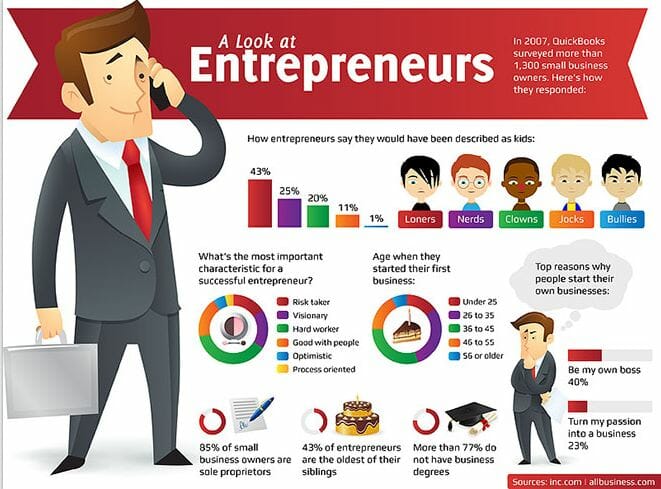
These days, the traditional path of getting a good education and going to work in the corporate world isn’t always the best way to find success. Although it’s still a great choice, many young people prefer instead to take a path of entrepreneurship, and there’s a lot that parents can do to help them follow that path. Lemonade stands, family learning adventures, and smart financial lessons are just a few of the ways that parents can instill an entrepreneurial attitude of success in their children from a very early age.
Read on to find out how you can help your child become a great entrepreneur from the very start.
These days, the traditional path of getting a good education and going to work in the corporate world isn’t always the best way to find success. Although it’s still a great choice, many young people prefer instead to take a path of entrepreneurship, and there’s a lot that parents can do to help them follow that path. Lemonade stands, family learning adventures, and smart financial lessons are just a few of the ways that parents can instill an entrepreneurial attitude of success in their children from a very early age.
Read on to find out how you can help your child become a great entrepreneur from the very start.
-
Kids earn an allowance for chores, not for existing:
Instill a good work ethic in your children by requiring that they earn their allowance. Emptying the dishwasher, mowing the lawn, and washing the family dog are all ways that kids can learn how to earn money. Take it a step further by encouraging them to do similar tasks for neighbors as a way to earn additional money. -
Create a bank account for your child:
Lay the foundation for earning money by giving it a place to go. When your child earns money, make going to the bank a major event that is it’s own reward. Have fun helping your kids do the math and figure out how much they’ve put away in the bank for all their hard work. -
Share opportunities for extra earning:
Teach your children that going above and beyond leads to increased earning. Give them the opportunity to do more difficult chores that go above what they’re normally expected to do. Trent at The Simple Dollar suggests that kids can pull weeds, and parents will pay a certain amount for every pound of weeds delivered. -
Encourage good personal finance skills:
Kids begging for items at the store might be annoying, but it’s a teachable moment. When your child asks for a toy that’s out of budget or not really necessary, make it a goal to earn enough money to buy it. Encourage your child to come up with ideas for ways to make enough for the toy and maybe even more. -
Encourage them to follow their ideas:
Whether your kids want to start a blog, sell vegetables from your garden, or set up a classic lemonade stand, give them your time and encouragement. Let them learn by doing, and find opportunities for lessons along the way. Ask them to consider how they’ll fund their startup, where to get supplies, how much to charge, how to find their customers, and of course, what to do with the money they earn. You should of course set some limitations for time, legality, and safety, but be open to let your kids explore their own ideas. Allow them to fail, and turn failures into learning moments. -
Teach good teamwork:
Rarely do entrepreneurs succeed completely independently. Even if they’re in business alone, they’re networking, getting others interested, and meeting with people that can help get their business off the ground. Learning how to work with others is essential for success, so be sure to encourage group work in school, in your home, and beyond. -
Encourage team sports:
Team sports are a great way to teach kids to work with others, and they’re also great for learning business lessons. Chances are, they won’t win every game, but the setbacks and hard work that are a part of playing sports can teach kids how to work toward success. -
Be available:
Every great entrepreneur needs a mentor, and for your kids, you are that person. Although you should encourage your child to operate independently, always be there to answer questions or offer helpful suggestions. If you don’t know how to solve a problem, learn how to do it together. -
Teach your kids to be self-starters:
Doing what they’re told is easy for most kids. Asking them to complete certain chores is simple and straightforward. But if you want them to start thinking creatively, encourage their initiative. Ask them to come up with ideas for chores that need to be done, or encourage them to plan a meal and cook for the family once a week. -
Encourage adventure and observational skills:
Some of the best entrepreneurs found success simply by filling a need that no one else even knew existed. The world is full of business opportunities, if only we could notice them. Parents can help their children learn to recognize these types of opportunities by developing observation and creativity. Walk around your neighborhood with your kids and consider which needs are not being met. Do you have neighbors that need lawn care? Businesses that need a website? Teach kids to recognize and anticipate the needs of others. -
Teach problem-solving:
Entrepreneurship can be a bumpy road full of obstacles and challenges to overcome, even for the best-laid plans. Show your children that problems are just solutions that have not been solved yet. Give them small challenges to overcome, and nudge them in the right direction to find a solution. -
Show your own entrepreneurial spirit:
Kids can learn about entrepreneurship by watching you in your own venture. Even if you’re working a 9-to-5 office job, you can take on a small entrepreneurial experience on the side. Selling crafts on Etsy, walking dogs, and doing handyman (or woman) work is a great way to set an example. Be sure to openly share your experiences with your kids. -
Tell them about great entrepreneurs:
In addition to setting your own example in entrepreneurship, encourage your kids to learn from the greats. Tell them the stories of young, successful entrepreneurs like Mark Zuckerberg, who started Facebook in his dorm room. Give them examples and role models to look up to and be inspired by. Show them that others are making it big as entrepreneurs, even other teens and young adults. -
Point them in the direction of Junior Achievement:
Many schools have chapters of Junior Achievement, an organization that brings business owners into schools to teach and mentor students as they create entrepreneurial opportunities. This is a great way for your child to learn about leadership, teamwork, and real world entrepreneurship in a team setting. -
Play business games:
Many games exist to teach kids the basics of business. Make learning about entrepreneurship fun by engaging your children in these games. In one such game, Disney’s Hot Shot Business, children decide what to do when a comic book company leaves town and leaves the opportunity to utilize resources.
Saturday, December 31, 2011
Five Tips to Boost your Teen's Self Esteem
Being a teenager is not easy. Many teens struggle keeping up with peer pressure and trying to figure out where they fit in. This can sometimes cause them to make not so great choices. However if your teen has good self self-esteem, they are more likely to make better choices. Enjoy this guest post and especially during the holiday “time-off” take the time to be sure your teen is feeling good about themselves!
Self-esteem is a delectate issue in your teen’s life. This is a time in their lives when they are changing mentally, physically and emotionally. It’s important to help your teen but also know that this something they can only control, all you can do is assist. Address the issue or issues your teen seems to be facing, whether its low self-esteem based on appearance or grades, you can help. Here are some ways to boost your teen’s self-esteem.
1. Volunteer- When you do something good for someone else it makes you feel better. Sign your teen up with a program or organization that he/she can help with. Whether it is helping once a week or once a month, the act of giving is crucial. Check out your local soup kitchen or animal shelter and get them started today. Not only are the people and animals benefitting but so is your teen.
2. Hobbies-Talk with your teen and see what activities interest them. This may require lots of talking and observation. Take note in their everyday activities and pick up on signs of when, how and what makes them smile. For example you can sign them up for painting classes or get them books on a topic they like.
3. Exercise- There are many studies that show, when a person exercise they are much happier. According to www.Livestrong.com, ‘Running is a great way to rev up your metabolism and increase your energy levels. Cross country skiing is the only physical activity that burns more calories than running. Running releases endorphins, the chemicals in the brain that make you feel happy; this is how the expression “Runner’s high” came about.’ So get them outside and active!
4. Remove Negativity: Be sure to support your teen in all he or she does. Keeping a positive and happy vibe in the home will make them feel good. Keep negative words like: ‘ugly and fat’ out of your vocabulary. You would be surprised to how much teens listen to what you say. Just because you should remove negativity doesn’t mean you stop parenting. Discipline when necessary but keep in mind in day to day life, remain positive.
5. Friends: Your teen’s friends have a huge impact on your teen’s life. Be sure that your teen is hanging out with the ‘right crowd’. A good way to assess this situation is to invite their friends over for dinner. You will be able to judge if you think they are helping or hurting your teen’s self-esteem. If they are helping, then great, invite them over more often. If their friendship is not benefitting your teen, be sure to promote the positive friends in their lives more.
Remember this is a sensitive time for teens and nothing can help a teen like a supportive and loving parent. Follow these guidelines and listen to your kids. Happy boosting!
Author Bio
Nancy Parker was a professional nanny and she loves to write about wide range of subjects like health, Parenting, Child Care, and Babysitting, find a nanny tips etc. You can reach her @ nancy.parker015 @ gmail.com.
PS: Adults can use these tips too! Thanks Nancy for sharing these tips!
Self-esteem is a delectate issue in your teen’s life. This is a time in their lives when they are changing mentally, physically and emotionally. It’s important to help your teen but also know that this something they can only control, all you can do is assist. Address the issue or issues your teen seems to be facing, whether its low self-esteem based on appearance or grades, you can help. Here are some ways to boost your teen’s self-esteem.
1. Volunteer- When you do something good for someone else it makes you feel better. Sign your teen up with a program or organization that he/she can help with. Whether it is helping once a week or once a month, the act of giving is crucial. Check out your local soup kitchen or animal shelter and get them started today. Not only are the people and animals benefitting but so is your teen.
2. Hobbies-Talk with your teen and see what activities interest them. This may require lots of talking and observation. Take note in their everyday activities and pick up on signs of when, how and what makes them smile. For example you can sign them up for painting classes or get them books on a topic they like.
3. Exercise- There are many studies that show, when a person exercise they are much happier. According to www.Livestrong.com, ‘Running is a great way to rev up your metabolism and increase your energy levels. Cross country skiing is the only physical activity that burns more calories than running. Running releases endorphins, the chemicals in the brain that make you feel happy; this is how the expression “Runner’s high” came about.’ So get them outside and active!
4. Remove Negativity: Be sure to support your teen in all he or she does. Keeping a positive and happy vibe in the home will make them feel good. Keep negative words like: ‘ugly and fat’ out of your vocabulary. You would be surprised to how much teens listen to what you say. Just because you should remove negativity doesn’t mean you stop parenting. Discipline when necessary but keep in mind in day to day life, remain positive.
5. Friends: Your teen’s friends have a huge impact on your teen’s life. Be sure that your teen is hanging out with the ‘right crowd’. A good way to assess this situation is to invite their friends over for dinner. You will be able to judge if you think they are helping or hurting your teen’s self-esteem. If they are helping, then great, invite them over more often. If their friendship is not benefitting your teen, be sure to promote the positive friends in their lives more.
Remember this is a sensitive time for teens and nothing can help a teen like a supportive and loving parent. Follow these guidelines and listen to your kids. Happy boosting!
Author Bio
Nancy Parker was a professional nanny and she loves to write about wide range of subjects like health, Parenting, Child Care, and Babysitting, find a nanny tips etc. You can reach her @ nancy.parker015 @ gmail.com.
PS: Adults can use these tips too! Thanks Nancy for sharing these tips!
Sunday, August 14, 2011
Teen Girl Self-Esteem: After School and Your Daughter
Yes, schools are opening throughout our country and another academic year with the normal peer pressure and stress of being a teenager.
Girls are faced with an onslaught of influences daily- most of them not the ones we’d like. In fact, a national survey of girls’ use of social media released by Girl Scouts of the USA (Who’s That Girl: Self Image in the 21st Century, 2010) finds that girls with low self-esteem are more likely to be susceptible to negative experiences on social networking sites than are girls with high self-esteem.
As parents and mentors, we want to help our daughters develop a strong sense of self, learn about the benefits of a balanced diet and physical activity, develop healthy relationships, promote confidence and well-being among While having fun.
*****************************************************
Join me on Facebook and follow me on Twitter for more information and educational articles on parenting today’s teenagers.
What are you doing after school? Many girls will be hitting a transitional point in their lives in a few weeks. Some will attend new schools, some will be away from home for the first time and others could be leaving their summer loves….
Although women have made gains in education and employment in the equal rights war, they’re still losing the self-esteem war. Girls’ self-esteem peaks when they are about 9 years old, and then takes a nosedive. Although the media, peers, and pop culture influence children, parents still hold more sway than they think when it comes to having an impact on a daughter’s developing self-esteem.Girls are faced with an onslaught of influences daily- most of them not the ones we’d like. In fact, a national survey of girls’ use of social media released by Girl Scouts of the USA (Who’s That Girl: Self Image in the 21st Century, 2010) finds that girls with low self-esteem are more likely to be susceptible to negative experiences on social networking sites than are girls with high self-esteem.
As parents and mentors, we want to help our daughters develop a strong sense of self, learn about the benefits of a balanced diet and physical activity, develop healthy relationships, promote confidence and well-being among While having fun.
Wondering how to enhance your daughter’s school year? The Girl Scouts’ flourishing new leadership program Journeys is at the core of the nearly 100-year-old organization’s transformation and a key benefit of this latest offering is building a strong sense of self. Building self-esteem does not happen overnight, but research shows that one way to accomplish this is through the development of leadership skills and competencies.
For more information go to www.girscouts.org!*****************************************************
Join me on Facebook and follow me on Twitter for more information and educational articles on parenting today’s teenagers.
Monday, September 20, 2010
Teen Self-Confidence: Making Better Choices and Feeling Good About Yourself
The clock is ticking, the alarm is ringing, and the sun is starting to come up. It is Monday morning and time for school and for most parents, time to go to work.
Many rush around, especially on a Monday morning after a long and fun weekend, and go through the motions of getting their clothes on, doing their hair, brushing your teeth and don't forget to eat breakfast! In between you are making sure you have a lunch or lunch money, packing the backpack or briefcase and trying to get out the door on time.
Let's stop, roll back the clock and take at least one minute to say something positive to each other! Just one minute can make a lifetime of change to your daughter. Build their self-esteem and let them know they are loved no matter how busy you are, there is always time for her.
The Dove Movement for Self-Esteem invites all women to join us in creating a world where beauty is a source of confidence, not anxiety.
Coming in October is The Dove Self-Esteem Weekend and it is a perfect time for you to be a champion for your daughter or a special young girl in your life.
Read more, watch video and see slide show.
Many rush around, especially on a Monday morning after a long and fun weekend, and go through the motions of getting their clothes on, doing their hair, brushing your teeth and don't forget to eat breakfast! In between you are making sure you have a lunch or lunch money, packing the backpack or briefcase and trying to get out the door on time.
Let's stop, roll back the clock and take at least one minute to say something positive to each other! Just one minute can make a lifetime of change to your daughter. Build their self-esteem and let them know they are loved no matter how busy you are, there is always time for her.
The Dove Movement for Self-Esteem invites all women to join us in creating a world where beauty is a source of confidence, not anxiety.
Coming in October is The Dove Self-Esteem Weekend and it is a perfect time for you to be a champion for your daughter or a special young girl in your life.
- Everyone has the opportunity to make a difference in a young girl’s self-esteem
- Dove is uniting women across the country – individuals, partners and grassroots organizations
- Providing the next generation of women with the tools to build a positive relationship with beauty and reach their full potential
Read more, watch video and see slide show.
Thursday, July 8, 2010
Sue Scheff: Finding Your Teens Passion
What do you want to do when you grow up? There are many grown-ups that are still trying to answer that question.
Helping your teen find their passion in life can help them to stay on a positive road to a better future. Getting involved in clubs, sports, organizations, volunteering and more can motivate your teenagers and build their self-confidence.
Starting at a young age, learning that everything they do in life matters is part of knowing that you have a purpose. Encourage your teens to find out what they really love and help them achieve their goals.
Some great tips from author of The Path to Purpose and professor, William Damon:
Be an educated parent, you will have happier and healthier teens.
Read more.
Helping your teen find their passion in life can help them to stay on a positive road to a better future. Getting involved in clubs, sports, organizations, volunteering and more can motivate your teenagers and build their self-confidence.
Starting at a young age, learning that everything they do in life matters is part of knowing that you have a purpose. Encourage your teens to find out what they really love and help them achieve their goals.
Some great tips from author of The Path to Purpose and professor, William Damon:
- Communicate that everything your child does matters.
- Watch for their spark of interest. Every child has at least one.
- Nurture a positive outlook.
- Provide knowledge and social capital – help your child find the information or resources that he or she needs to pursue an interest.
Be an educated parent, you will have happier and healthier teens.
Read more.
Tuesday, July 7, 2009
Sue Scheff: Helping Your Teens Meet Their Goals

Getting your teens involved, helping them realize and reach their dreams and goals – in my opinion, that is part of parenting. Today teens have so much more to deal with, such as peer pressure as well as the competitiveness to get into their first choice colleges. If your teen has that special interest, dream, or goal in life, encourage them to reach for their passion. It can happen!
YES Seminar is about helping your teen reach their success.
Inspire & Connect
Two of the four reasons for this event are to INSPIRE and CONNECT young entrepreneurs, their parents and mentors, not only with other like-minded kids and mentors, but with Inspiring people that have been where you are and the Connectors that have “made it happen” for so many. This is not a Motivational Seminar – it’s purpose is to Inspire you on your journey!
Empower & Educate
The third and fourth reasons are to provide you with the tools you need to Empower and Educate Yourself! We would like to Open your eyes to the amazing Possibilities that are waiting for you, not only here, but right outside the front door of your home, in your town, today!
2009 Young Entrepreneurs Success Seminar, Orlando Fla.
When: September 25-27, 2009
Where: The Caribe Royale, Orlando Florida
Who: Young entrepreneurs aged 9 and up and their parents/guardians/mentors
Web: http://www.yesseminar.com/
The purpose of this event is to inspire, empower and educate young entrepreneurs and their parents to embrace their natural creativity, learn to find and leverage their resources, and grow their businesses and ventures.
Most importantly, this event will CONNECT young entrepreneurs and their parents with other like-minded people! This alone will provide powerful inspiration and empowerment that will live on long beyond the event! These connections will continue to grow within the community that will be created here.
This will be a “conference” unlike any other! Speakers will include best-selling authors such as Bob Burg, author of “The Go-Giver” and “Endless Referrals”, as well as teen entrepreneurs, and experts in fields related to publishing, marketing, social media and more. Breakout sessions will provide parents and teens to receive information specific to them, and will include fun, interactive and highly educational and powerful workshops and activities designed to inspire creativity and innovation, teach team building skills, marketing techniques, public speaking, networking and more! There will also be panel discussions and the opportunity for attendees to talk to speakers and experts one-on-one. Entertainment and time to meet and interact with one another will be an integral part as well.
How Can You Participate?
Attend! We have gone to great lengths to make this event affordable AND incredibly valuable! Ticket prices are $199 for parent AND teen, or $299 for 2 parents and teens. See our website for early bird special at $177. Register online at http://www.yesseminar.com .
Sponsor! Your support can make this event even better, and accessible to even more people.
Sponsor a teen: We would love to offer sponsorships to the many amazing young people who would like to attend, but will be unable to due to finances. Feel free to sponsor an entire family, or simply provide a fixed donation to be applied toward their attendance costs.
Sponsor a portion of the event: We will also gladly promote anyone who would like to sponsor a specific portion of the event (ie. AV equipment provided by______), or a specific activity such as a cookout or workshop.
Sponsor a Speaker: We have young speakers who would be great for our event! Feel free to help them to attend by donating to their travel costs.
Sponsor with your Product: We would love to have products as prizes for our contests and activities! Donations can be gift cards, mp3 players, computers or anything you’d like! If you are a t-shirt designer, or promotional products provider and would like to donate products for our attendees, please contact us.
PROMOTE! Please support us by helping us promote this event! Please share our information, web address, etc with anyone that might be interested in attending, sponsoring, or who may know someone else who would!
Please feel free to contact us at http://www.yesseminar.com or call us by phone at 919-427-7770.
Monday, June 22, 2009
Sue Scheff: ADHD - Drop Your Reins Program
As many know, I raised my ADHD son, and know the struggles first hand that parents can go through. Personally, I tried different methods to help my son, and believe that everyone is different and what works for them is unique to them and their situation. We were successful with medication (which I know many frown upon, however it worked for us). Here is an alternative that many have found very successful. It is important to have an open mind and not be judgemental with what helps others.


Founded and run by 15-year-old Danielle Herb, Drop Your Reins is a holistic training school based in Live Oak, FL. From direct interaction with horses to supplemental training videos the program uses Natural Horsemanship For Kids helps guide the powerful minds of ADD/ADHD and Autistic children to reach their greatest potential while maintaining their innocence and purity.
Horses are amazing because they are sentient animals that mirror our personalities as well as our fears. –Danielle Herb
The old model of parenting and training horses, still being used by many today, is to break their spirit into submission to get them to do what you want. They are repeatedly worn down until the end result is unhappy, unhealthy kids and horses.
Are you curious about how horses can help humans learn to communicate more effectively, build inner self-esteem and outer confidence? By partnering with horses, we create an experiential learning environment that invites open communication, personal reflection, and increased self-awareness. Find out more about this “horse stuff” by joining us for a short, complimentary, introductory demonstration of this truly amazing learning process!
We begin each demo with introductions, to each other, to horse assisted learning and to horse behavior. Next, we partner with our four-legged friends to give you an opportunity to experience, first-hand, an on-the-ground (non riding) Drop Your Reins experience. Following the exercise with the horses, we take time “debrief” or talk – seeking to help identify assumptions and belief systems, increasing understanding and awareness. There’s also time to answer questions about how we can collaborate to help you reach your families development or personal growth goals.
Drop Your Reins is a Youth to Youth Program designed to give kids tools that will assist them in ways to overcome fears and challenges, develop healthy loving relationships, build trust, grow their inner confidence and self esteem, explore leadership
Perfect for your:
■School
■Church Group
■Mom’s Group
■WAHM Group
■Business
■Rotory Club
■FFA
■Youth Group
■CHADD Group
Contact us to learn more about how we will work with you to create your customized learning/training pwww.danielleherb.com
386-965-1815
dropyourreins@gmail.com
Horses are amazing because they are sentient animals that mirror our personalities as well as our fears. –Danielle Herb
The old model of parenting and training horses, still being used by many today, is to break their spirit into submission to get them to do what you want. They are repeatedly worn down until the end result is unhappy, unhealthy kids and horses.
Are you curious about how horses can help humans learn to communicate more effectively, build inner self-esteem and outer confidence? By partnering with horses, we create an experiential learning environment that invites open communication, personal reflection, and increased self-awareness. Find out more about this “horse stuff” by joining us for a short, complimentary, introductory demonstration of this truly amazing learning process!
We begin each demo with introductions, to each other, to horse assisted learning and to horse behavior. Next, we partner with our four-legged friends to give you an opportunity to experience, first-hand, an on-the-ground (non riding) Drop Your Reins experience. Following the exercise with the horses, we take time “debrief” or talk – seeking to help identify assumptions and belief systems, increasing understanding and awareness. There’s also time to answer questions about how we can collaborate to help you reach your families development or personal growth goals.
Drop Your Reins is a Youth to Youth Program designed to give kids tools that will assist them in ways to overcome fears and challenges, develop healthy loving relationships, build trust, grow their inner confidence and self esteem, explore leadership
Perfect for your:
■School
■Church Group
■Mom’s Group
■WAHM Group
■Business
■Rotory Club
■FFA
■Youth Group
■CHADD Group
Contact us to learn more about how we will work with you to create your customized learning/training pwww.danielleherb.com
386-965-1815
dropyourreins@gmail.com
Thursday, June 11, 2009
Sue Scheff: National Teen Acne Awareness Month

As a Parent Advocate, I am often asked to share information, Press Releases etc. to help promote wellness and concerns with today’s teens. June is National Acne Awarness Month - take the time to learn more and how teenage acne can scar more then a child psychically. Self-image is a big part of being a teenager - as a parent, we need to educate ourselves to help our kids.
According to a recent survey, more than half of teens (59%) said that they would be willing to stay off Facebook for a year if they could get rid of their acne forever! What’s more – 13% would actually pick one of their parents as a prom date to be zit-free for the rest of their lives! June marks the first-ever National Acne Awareness Month – the perfect time to help teens take control of their acne.
There are so many myths surrounding acne - that people with acne don’t wash their faces and/or eat poorly. But the truth is, even the cleanest and healthiest of us can be prone to getting acne! In fact, acne is a medical condition that can be treated, and has little to do with diet or cleanliness habits.
The AARS, with support from Galderma Laboratories, has developed a special announcement to educate teens on how to take control of their acne: to inform everyone on ways to take action when acne takes a hold of their lives: http://www.westglen.com/online/17612.html
Want more? Visit the brand new Web site, http://www.acnesociety.org/, designed to help you get educated on ways to treat and prevent acne. Help to spread the word about National Acne Awareness Month. The best defense is a well-informed offense!
Wednesday, July 30, 2008
Teen Dating Violence

Source: Connect with Kids
“I’ve never had one guy come into my life that hasn’t hurt me.”
– Jenny, 18 years old
Jenny, 18, has been hurt as many times as she’s been in love. At age 13, her boyfriend was physically abusive.
“He grabbed me by my neck one time, and I had fingerprints, bruising,” she explains.
Later, Jenny dated Mateo.
“He promised me, he said I promise you, I’ll never hurt you like they did,” Jenny says tearfully.
“And I promised her that, but I didn’t keep my promise,” Mateo, 17, admits. “Verbal abuse, emotional. You name it,” he says.
Research in the Journal of American Medicine finds that 42% of teens have been the victim of dating violence. 17% have been the perpetrator.
“Violent activity and dating violence begins early in adolescence; you know, begins when dating begins,” says psychiatrist Dr. Lynn Ponton, author of a book about the dating lives of teenagers.
She says too often kids are so excited to have their first boyfriend or girlfriend that they rush into a relationship. They become intimate too soon, before they even really get to know each other. By the time they know their partner is abusive, a lot of damage is already done.
Other research shows that girls in violent dating relationships are more likely to experiment with drugs, develop eating disorders and attempt suicide.
Experts say that parents must convince kids to slow down.
“By, I think, by actually setting up structures for kids to participate in where they get to know the people first before they’re off with them privately,” says Dr. David Fenstermaker, a clinical psychologist.
He suggests that group dates are safer. At the bowling alley, the water park or the ice rink, kids can get to know each other, and slowly discover what really lies in the heart of their date.
Tips for Parents
– Jenny, 18 years old
Jenny, 18, has been hurt as many times as she’s been in love. At age 13, her boyfriend was physically abusive.
“He grabbed me by my neck one time, and I had fingerprints, bruising,” she explains.
Later, Jenny dated Mateo.
“He promised me, he said I promise you, I’ll never hurt you like they did,” Jenny says tearfully.
“And I promised her that, but I didn’t keep my promise,” Mateo, 17, admits. “Verbal abuse, emotional. You name it,” he says.
Research in the Journal of American Medicine finds that 42% of teens have been the victim of dating violence. 17% have been the perpetrator.
“Violent activity and dating violence begins early in adolescence; you know, begins when dating begins,” says psychiatrist Dr. Lynn Ponton, author of a book about the dating lives of teenagers.
She says too often kids are so excited to have their first boyfriend or girlfriend that they rush into a relationship. They become intimate too soon, before they even really get to know each other. By the time they know their partner is abusive, a lot of damage is already done.
Other research shows that girls in violent dating relationships are more likely to experiment with drugs, develop eating disorders and attempt suicide.
Experts say that parents must convince kids to slow down.
“By, I think, by actually setting up structures for kids to participate in where they get to know the people first before they’re off with them privately,” says Dr. David Fenstermaker, a clinical psychologist.
He suggests that group dates are safer. At the bowling alley, the water park or the ice rink, kids can get to know each other, and slowly discover what really lies in the heart of their date.
Tips for Parents
‘Dating violence’ may seem like a vague, murky term, but the National Center for Injury Prevention and Control defines ‘dating violence’ very specifically:
Dating Violence: “The perpetration or threat of an act of violence by at least one member of an unmarried couple on the other member within the context of dating or courtship. This violence encompasses any form of sexual assault, physical violence, and verbal or emotional abuse.”
How often does dating violence happen? Estimates vary, but the NCIPC offers these statistics:
24% of 8th and 9th graders have been victims of nonsexual dating violence.
8% of 8th and 9th graders have been victims of sexual dating violence.
Among high school students, the average prevalence rate for nonsexual dating violence is 22%.
Among college students the rate is 32%.
27% of college females have been victims of rape or attempted rape since age 14.
Over half of 1,000 females at a large urban university surveyed said they had experienced some form of “unwanted sex.”
Women are 6 times more likely than men to experience violence at the hands of an intimate partner.
According to the Massachusetts Department of Education, teen dating violence follows a pattern which is similar to adult domestic violence. The major elements of this pattern are:
Violence that affects people from all socio-economic, racial and ethnic groups.
Repeated violence that escalates.
Violence that increases in severity the longer the relationship continues.
Violence and abusive behaviors are interchanged with apologies and promises to change.
Increase danger for the victim when trying to terminate the relationship.
Occurrence in heterosexual and gay and lesbian relationships.
How can you tell if your teenager may be suffering from dating violence? Here are some signs from the Massachusetts Department of Education.
Is your child involved with someone who:
Is overly possessive and demonstrating a real need to control
Is jealous to the extreme point where it becomes an obsession
Is into controlling your child’s everyday events
Is prone to violent outbursts
Is a person who has a history of poor relationships
Is infringing upon your child’s freedom to make choices for himself/herself
Is limiting the time your child spends with other people
Is using external pressure to influence decision making
Is into passing blame and denying their own mistakes
Is in the habit of using put downs or playing mind games
Is not a person who can be disagreed with easily
Is encouraging your child to keep secrets
Is causing your child to become more withdrawn
And for teenagers trying to get out of a violent relationship, the following advice from the Boulder (CO) Police Department:
Tell your parents, a friend, a counselor, a clergyman, or someone else whom you trust and who can help.
The more isolated you are from friends and family, the more control the abuser has over you.
Alert the school counselor or security officer. Keep a daily log of the abuse.
Do not meet your partner alone.
Do not let him or her in your home or car when you are alone.
Avoid being alone at school, your job, on the way to and from places.
Tell someone where you are going and when you plan to be back.
Plan and rehearse what you would do if your partner became abusive.
References
National Center for Injury Protection and Control
Massachusetts Department of Education
Boulder (CO) Police Department
Children’s Hospital of Philadelphia
Saturday, July 26, 2008
Teen Body Image - How Does it Affect Your Teen?

By Sarah Maria
Sarah Maria is a body-image expert and personal empowerment specialist who helps people love their bodies no matter how they look. She leads workshops internationally and works one-on-one in consulting sessions to assist people in overcoming hatred and dissatisfaction with their bodies using holistic healing and spiritual principles. She’s a certified meditation teacher, Yoga instructor, and Ayurvedic Lifestyle Counselor. Contact her at sarah@breakfreebeauty.
Be sure to sign up for her Newsletters and Radio Show at http://www.breakfreebeauty/ - you won’t want to miss how you can start believing in yourself and empowering yourself and your teen to feel good about who you are.
Body Image in Teens
If you’re in high school, most of your friends are probably on a diet. A recent study shows that 90% of junior and senior girls are on a diet regularly, even though only 10-15% are actually overweight.
The modeling industry also promotes the idea that you need to diet and exercise religiously. Fashion models are actually thinner than 98% of American women. An average woman stands 5′4″ tall and weighs about 140 lbs, while the average fashion model is a towering 5′11″ tall and weighs under 117 lbs.
In reality no amount of dieting, exercise and discipline can earn you a magazine cover-ready body because those photos have been Photo Shopped, doctored and airbrushed. Don’t waste your time attempting to be what you are not, instead; focus on cultivating who you are!
Body Image TipsAs you progress through puberty and your high school years, your body changes as fast as your favorite ringtones. But learning to appreciate your body and have positive self image is a task that few adults have even mastered. Here are some tips to help you learn to love yourself:
Learn to Cook- It is never too early to learn to cook. In just a few years, you will be on your own and you will be expected to feed and take care of yourself. Get some practice at home by preparing some family meals or meals for just yourself. Try some new foods by looking through cookbooks and online. Impress your friends by having a dinner party. This also helps you understand how food functions within a regular diet. Learn how to cook healthily so you can eat healthily, but don’t spend too much time worrying about food!
Don’t Diet!- Dieting is a great way to ruin your eating habits and your relationship with food and your body. Instead, learn about healthy eating and exercise habits. The healthy habits you learn while you are young will serve you throughout your life!
People Watch- Go to the mall or a public space and people watch. How many are fat or thin? How tall are most women? Men? What do you like or dislike about people’s styles, looks or body type? How much of their appearance is “style” and how much is their actual body types?
Cultivate the ability to see style and beauty in everyone. As you learn to do this, you can be a trend-setter instead of a trend-follower.
Keep it Real- Remember, people only pick the best photos to be on their MySpace or Facebook page. Remind yourself that they all have bad hair days, the occasional zit or an unflattering outfit choice.
Stay Well Rounded- Sign up for activities that you have never tried. Join an intramural sport or speech meet. Build up your college resume by participating in extracurricular activities. It’s a great way to broaden your social circle and prepares you for college or a job.
Be a Trend Setter- Don’t just follow the crowd - create your own crowd by being a trend setter. Find your own style and look by experimenting with your hair, makeup and clothing. What is your look trying to say? Does it match what you want people to think about you? Someone has to set the trends. Why not you?
Learn to meditate- It is never too early to learn to meditate. You will find that this is a skill you can use all your life. By focusing inward, it is easier to distill the truth rather than listening to outside influences. It will also help you manage the stress of your busy life.
Parental Tips
If you are a parent of a teen, you know the challenges of living with an emotional, possibly aloof teenager who begs for guidance but disregards most of what you say. Their alternating moods and attitudes make approaching a touchy subject like body image feels dangerous. The following are some tips to help with a positive body image:
Have an Open Door Policy-You’d like your teen to approach you with any problem she is facing but often you aren’t sure if she’s coming to you, going to her friends or suffering alone.
Encourage regular candid conversation by noticing what times and places your teen is most likely to talk. Is she a night owl? Does she talking on a long drive? Is she more comfortable emailing? Use the time and venue that is most comfortable for her and encourage open sharing.
Limit Harmful Media- Put your teen daughter on a media diet. Don’t feel you need to restrict website, magazine or TV shows entirely. Just be cautious of what mediums she concentrates on. Be especially mindful of any one celebrity that she idolizes or photos that she tears out and stares at repeatedly. Discuss how all magazine photos are airbrushed and doctored.
Compliment Her and Her Friends- Make a point to compliment both your daughter and her friends on a well-put together outfit or a new hair style. Teens are trying on new looks and personalities as their bodies change. Let them know that they have hit on a good look when they experiment in the right direction.
Make sure to compliment them on things not related to their appearance as well. A good grade, a valiant sports effort or kind deed also deserve notice. Try to practice a 90/10% rule. Let 90% of your comments and insights be positive and only 10% should be carefully worded constructive criticism.
Resources:
Eating Disorder Statisticshttp://www.freewebs.com/anadeath/statistics.htm
Subscribe to:
Posts (Atom)