Help! My teen is hanging with the wrong crowd!
This is a common statement from parents when their child is starting down a negative road.
Your child’s self-esteem is an important part of his self-image. It
helps him feel he’s worthwhile just as he is and helps him feel good
about his choices and decisions. A healthy self esteem
doesn’t just happen overnight. It’s something that is nurtured and
grown throughout a lifetime, and something that the important people in
his life have a chance to help cultivate.
Here are some tips for boosting your child’s self-esteem.
Give your child choices throughout the day. A big
part of healthy self-esteem is feeling capable. Offering your child
choices about what outfit to wear, what to have for a snack or for
lunch, or if he should pick up the play room before or after going to
the park will give your child practice making good choices. When
offering young children choices, the key is being comfortable with
whatever the child chooses. The goal is to help him think about both
sides and make a decision that he feels will best satisfy his needs.
Avoid generic praise. Parents want kids to feel good
about the things they do and to encourage them to repeat the types of
behavior they value. So parents often say things like “Great job!” after
everything from finishing vegetables at dinner to putting socks on in
the morning to going down the slide at the park. While generic
congratulations feel good to a child for a short time, after too many
times it becomes meaningless. In fact, congratulating a child for things
that don’t require real effort can make a child lose trust in the
parent’s honesty.
Use specific praise generously. It’s helpful to a
child’s self-esteem to hear from parents and other adults about their
accomplishments, both big and small. Instead of using generic praise,
let your child know how much you admire and appreciate his specific
behavior. Phrases like “I appreciate your help in picking up the play
room this afternoon. It means we have more time at the park!” or “Eating
your vegetables will help your body grow strong and healthy. I love
your willingness to try new things.” or “I’m so proud of how you climbed
to the top of the tower. That took strong arms and great balance!” will
help your child feel good about his abilities and choices.
Avoid negative labels. Most of the way we
communicate with others is based in lifelong habits. Unfortunately some
unhealthy habits may find their way into your parenting
or caregiving vocabulary. Labeling a child as being mean, lazy,
uncoordinated or hyperactive, or calling him a whiner, liar or babyish
can negatively affect his self-esteem. Children are sensitive to what
the people they love think about them and words can have a huge effect.
Choose your words carefully and talk about challenging behaviors or
traits in positive terms.
Become a great listener. Giving your child your full
attention and truly listening to what he is saying and how he feels is
an immediate self-esteem booster. When you turn off your phone, the TV
and the computer and fully engage with your child it shows him that you
really care about him and that you’re interested in what he has to say.
That kind of undivided attention is rarer than it should be these days
and will make your child feel valued and loved.
Model healthy self-esteem. Your child looks to you
for clues about how to think, act and feel. Make sure you’re sending the
right message. Invest in developing your own healthy self-esteem and
you’ll be on your way to helping your child develop it too. Have a
positive body image, be confident about your abilities, and don’t let
petty criticisms from the outside world make you feel bad about yourself
and your choices. If you struggle with esteem issues, talk about them
with your child in an age appropriate way and show him the steps you’re
taking to develop a healthy self-esteem. Showing your child that you’re
not perfect, but that you’re working towards being better, gives him the
freedom to accept his flaws too.
Teach problem solving skills. Teaching your child
how to objectively assess a situation, brainstorm solutions, and put a
plan into action is a proactive way of building self-esteem. Children
who feel able to handle challenging situations, who recognize that when
they get knocked down they can get right back up and try again, and who
are confident that every problem has a solution have a strong sense of
self-esteem.
Self-esteem is an important part of a child’s healthy emotional
development. It acts like a suit of armor for your child, protecting him
from many of the bumps and bruises that come with everyday life. It
also gives him a strong foundation to build life skills on.
Showing posts with label teen choices. Show all posts
Wednesday, December 4, 2013
Saturday, July 21, 2012
Teens, Careers and Encouraging Entrepreneurship
Encouraging your teens today is part of parenting. Every parent
wants to see their child succeed. With all of today’s technology there
are many ways social media and social networking can help and in some
ways hinder (if they are not careful with what they post online) with
their future.

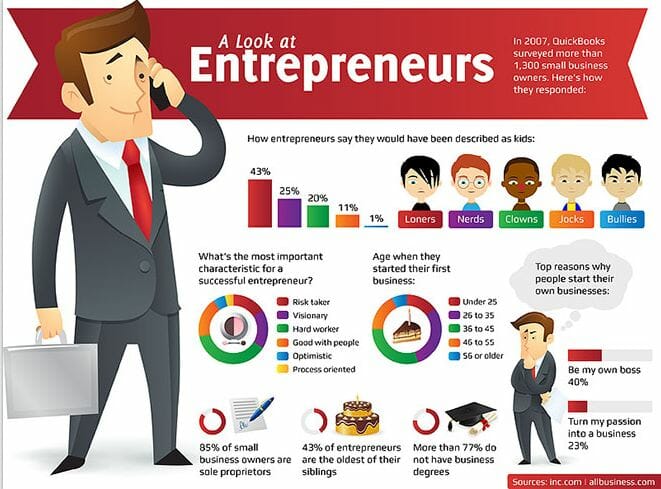
These days, the traditional path of getting a good education and going to work in the corporate world isn’t always the best way to find success. Although it’s still a great choice, many young people prefer instead to take a path of entrepreneurship, and there’s a lot that parents can do to help them follow that path. Lemonade stands, family learning adventures, and smart financial lessons are just a few of the ways that parents can instill an entrepreneurial attitude of success in their children from a very early age.
Read on to find out how you can help your child become a great entrepreneur from the very start.

These days, the traditional path of getting a good education and going to work in the corporate world isn’t always the best way to find success. Although it’s still a great choice, many young people prefer instead to take a path of entrepreneurship, and there’s a lot that parents can do to help them follow that path. Lemonade stands, family learning adventures, and smart financial lessons are just a few of the ways that parents can instill an entrepreneurial attitude of success in their children from a very early age.
Read on to find out how you can help your child become a great entrepreneur from the very start.
-
Kids earn an allowance for chores, not for existing:
Instill a good work ethic in your children by requiring that they earn their allowance. Emptying the dishwasher, mowing the lawn, and washing the family dog are all ways that kids can learn how to earn money. Take it a step further by encouraging them to do similar tasks for neighbors as a way to earn additional money. -
Create a bank account for your child:
Lay the foundation for earning money by giving it a place to go. When your child earns money, make going to the bank a major event that is it’s own reward. Have fun helping your kids do the math and figure out how much they’ve put away in the bank for all their hard work. -
Share opportunities for extra earning:
Teach your children that going above and beyond leads to increased earning. Give them the opportunity to do more difficult chores that go above what they’re normally expected to do. Trent at The Simple Dollar suggests that kids can pull weeds, and parents will pay a certain amount for every pound of weeds delivered. -
Encourage good personal finance skills:
Kids begging for items at the store might be annoying, but it’s a teachable moment. When your child asks for a toy that’s out of budget or not really necessary, make it a goal to earn enough money to buy it. Encourage your child to come up with ideas for ways to make enough for the toy and maybe even more. -
Encourage them to follow their ideas:
Whether your kids want to start a blog, sell vegetables from your garden, or set up a classic lemonade stand, give them your time and encouragement. Let them learn by doing, and find opportunities for lessons along the way. Ask them to consider how they’ll fund their startup, where to get supplies, how much to charge, how to find their customers, and of course, what to do with the money they earn. You should of course set some limitations for time, legality, and safety, but be open to let your kids explore their own ideas. Allow them to fail, and turn failures into learning moments. -
Teach good teamwork:
Rarely do entrepreneurs succeed completely independently. Even if they’re in business alone, they’re networking, getting others interested, and meeting with people that can help get their business off the ground. Learning how to work with others is essential for success, so be sure to encourage group work in school, in your home, and beyond. -
Encourage team sports:
Team sports are a great way to teach kids to work with others, and they’re also great for learning business lessons. Chances are, they won’t win every game, but the setbacks and hard work that are a part of playing sports can teach kids how to work toward success. -
Be available:
Every great entrepreneur needs a mentor, and for your kids, you are that person. Although you should encourage your child to operate independently, always be there to answer questions or offer helpful suggestions. If you don’t know how to solve a problem, learn how to do it together. -
Teach your kids to be self-starters:
Doing what they’re told is easy for most kids. Asking them to complete certain chores is simple and straightforward. But if you want them to start thinking creatively, encourage their initiative. Ask them to come up with ideas for chores that need to be done, or encourage them to plan a meal and cook for the family once a week. -
Encourage adventure and observational skills:
Some of the best entrepreneurs found success simply by filling a need that no one else even knew existed. The world is full of business opportunities, if only we could notice them. Parents can help their children learn to recognize these types of opportunities by developing observation and creativity. Walk around your neighborhood with your kids and consider which needs are not being met. Do you have neighbors that need lawn care? Businesses that need a website? Teach kids to recognize and anticipate the needs of others. -
Teach problem-solving:
Entrepreneurship can be a bumpy road full of obstacles and challenges to overcome, even for the best-laid plans. Show your children that problems are just solutions that have not been solved yet. Give them small challenges to overcome, and nudge them in the right direction to find a solution. -
Show your own entrepreneurial spirit:
Kids can learn about entrepreneurship by watching you in your own venture. Even if you’re working a 9-to-5 office job, you can take on a small entrepreneurial experience on the side. Selling crafts on Etsy, walking dogs, and doing handyman (or woman) work is a great way to set an example. Be sure to openly share your experiences with your kids. -
Tell them about great entrepreneurs:
In addition to setting your own example in entrepreneurship, encourage your kids to learn from the greats. Tell them the stories of young, successful entrepreneurs like Mark Zuckerberg, who started Facebook in his dorm room. Give them examples and role models to look up to and be inspired by. Show them that others are making it big as entrepreneurs, even other teens and young adults. -
Point them in the direction of Junior Achievement:
Many schools have chapters of Junior Achievement, an organization that brings business owners into schools to teach and mentor students as they create entrepreneurial opportunities. This is a great way for your child to learn about leadership, teamwork, and real world entrepreneurship in a team setting. -
Play business games:
Many games exist to teach kids the basics of business. Make learning about entrepreneurship fun by engaging your children in these games. In one such game, Disney’s Hot Shot Business, children decide what to do when a comic book company leaves town and leaves the opportunity to utilize resources.
Subscribe to:
Posts (Atom)